Health

Strength Training While on GLP-1: A 6-Week Plan
When your body weight changes, you aren’t just losing fat—research shows you risk losing lean muscle mass, too. Protecting that muscle is the key to maintaining your metabolism and everyday strength. This practical 6-week guide breaks down exactly how to structure a simple, 20-to-30 minute full-body strength routine 2–3 times a week. Built around foundational compound movements like squats and rows, this plan shows you how to safely implement progressive overload without burning out your energy. Give your body a clear signal to keep its muscle and build a routine that sticks.
May 26, 2026
Read More

Boost Your Workout With the Power Plus Challenge
Boost your workout this March by joining the Power Plus Challenge! Different from previous Challenges that focus on workouts for specific equipment like treadmills, ellipticals, bikes, and rowers, this Challenge breaks new ground with short, off-equipment exercises emphasizing holistic health. From functional fitness training to mobility, injury prevention, and more, iFIT Trainers John Peel, Shannon Cooper, Richard Biglia, and Jorry Francis will guide you through Warm-Ups, Cool-Downs, and Strength Finishers. These exercises complement your fitness journey, boosting overall performance. Plus, completing multiple exercises in the Challenge unlocks more iFIT Milestones, celebrating your progress with exclusive rewards. Complete the workouts from your selected Challenge level by March 31, 2024, and earn a digital reward viewable in your Trophy Case. Complete all three Challenge levels and earn three digital rewards! Here are this month’s Challenge levels for all workout types: Warm-Ups: Kickstart your workouts with 14 off-equipment Warm-Ups led by iFIT Trainers John Peel, Shannon Cooper, Richard Biglia, and Jorry Francis. Add these essential exercises for a more effective, balanced fitness routine that supports functional fitness, mobility, recovery, and injury prevention. Join the Power Plus Challenge: Warm Ups Cool-Downs: Wrap up your workouts with 14 off-equipment Cool-Downs led by iFIT Trainers John Peel, Shannon Cooper, Richard Biglia, and Jorry Francis. Incorporate these key exercises to cultivate a well-rounded fitness routine, supporting functional fitness, mobility, recovery, and injury prevention for maximum results. Join the Power Plus Challenge: Cool-Downs Strength Finishers: Before you cool down, finish your workouts on a high note with 35 off-equipment Strength Finishers led by iFIT Trainers John Peel, Shannon Cooper, Richard Biglia, and Jorry Francis. Integrate these fundamental exercises to achieve a balanced routine, improving functional fitness, mobility, recovery, and injury prevention for a holistic approach to well-being. Join the Power Plus Challenge: Strength Finishers The exercises featured in this month’s Challenge are for Treadmill, Elliptical, Bike, Row, and Strength equipment. Disclaimer: This blog post is not intended to replace the advice of a medical professional. The above information should not be used to diagnose, treat, or prevent any disease or medical condition. Please consult your doctor before making any changes to your diet, sleep methods, daily activity, or fitness routine. iFIT assumes no responsibility for any personal injury or damage sustained by any recommendations, opinions, or advice given in this article. Always follow the safety precautions included in the owner’s manual of your fitness equipment.
March 1, 2024
Read More
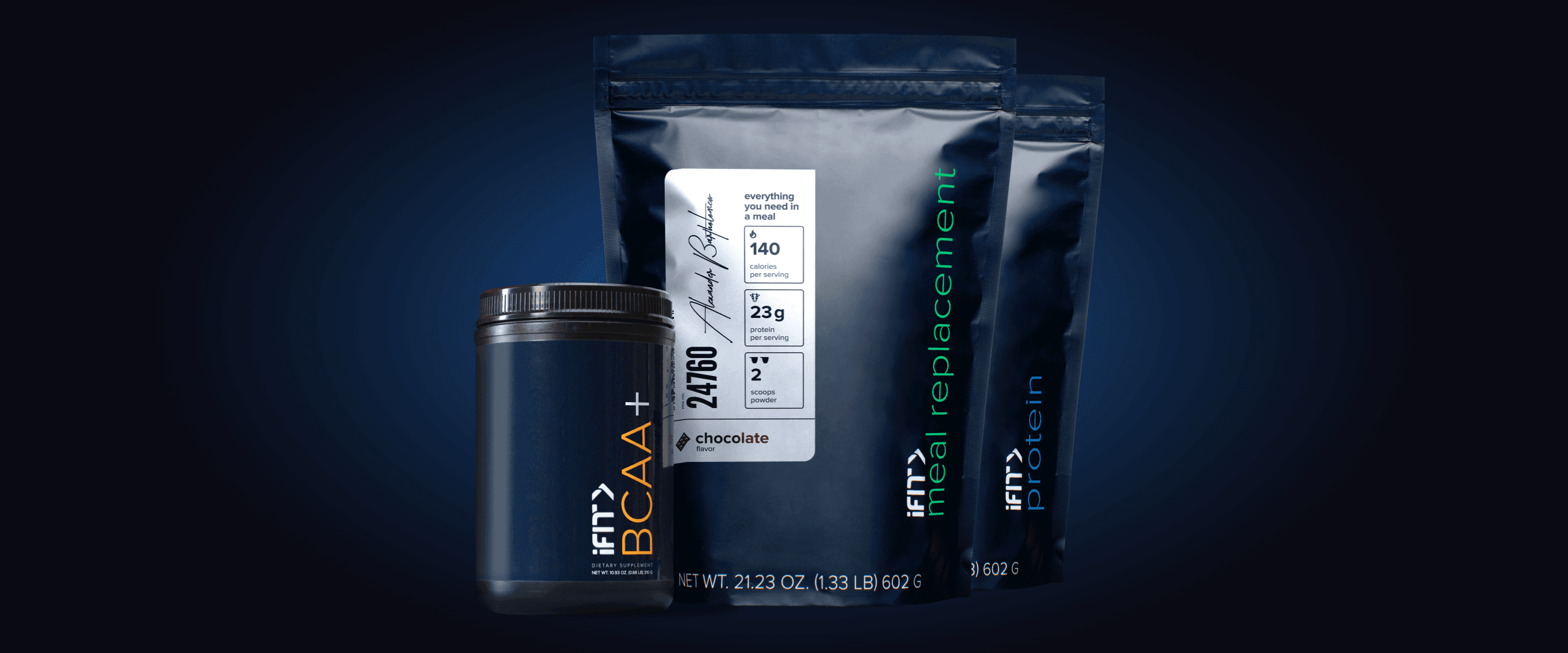
Up Close: iFit Nutrition Product Line
iFit Nutrition started with a question from an iFit member about a popular, gimmicky weight loss pill. The initial inquiry got us thinking about the lack of science-backed products and the solutions we would recommend instead. After scouring the market, we found plenty of options, but only a handful that met our strict requirements. That’s when we decided to make our own. Whatever your fitness goal may be, there’s an iFit Nutrition solution to help you conquer it. With an exceptional lineup of nutritionally balanced meal replacements, high-quality protein powders, and hydrating BCAA mixes, iFit Nutrition products simplify nutrition for all fitness levels. Meal Replacements Muscle-Building Meal Replacement 30–40 grams of whey protein isolate to support muscle growthLow carbSuitable for post-workout25 vitamins and minerals12—14 fruits and vegetables Shop Muscle-Building Meal Replacement Weight Loss Meal Replacement Low in calories to support weight loss goalsWhey protein isolate for muscle recovery and maintenanceSoluble fiber and casein protein to curb your appetite25 vitamins and minerals12—14 fruits and vegetables Shop Weight Loss Meal Replacement Plant-Based Meal Replacement Vegan friendlyPea, brown rice, and hemp protein blendSweetened with stevia and organic cane sugar25 vitamins and minerals12—14 fruits and vegetables Shop Plant-Based Meal Replacement What makes our meal replacements unique? Our meal replacements combine convenience with high-quality ingredients tailored to your goal, gender, and diet. Each is a nutritionally complete, gluten-free meal made with vitamins, minerals, fruits, vegetables, and protein. Shop iFit Nutrition Meal Replacements Protein Whey Made with high-quality whey isolate to optimize protein per gramDeliciously smooth and rich in flavor29 grams of protein per serving Plant Based Includes a blend of pea, brown rice, and hemp proteinEnriched with leucine to mimic the muscle-building benefits of whey31 grams of protein per serving What makes our protein unique? Our protein powders are macro friendly, low carb, gluten free, and made without fillers or artificial flavors. They’re a delicious option to help with muscle building, weight loss, or general wellness! Shop iFit Nutrition Protein BCAA+ Combining the recovery benefits of BCAAs, the get-up-and-go of pre-workouts, and the hydrating power of sports drinks, iFit Nutrition’s BCAA+ mix is an all-in-one drink that aids performance. Benefits include: 5 grams of BCAAs per servingAt least 2.5 grams of leucine per servingAdded electrolytes for better hydrationCaffeinated options No sugarEnhanced recoverySupport for muscle repair and growth What makes our BCAA+ unique? This isn’t your average BCAA! There are no amino blends or fillers, just the optimal amount of BCAAs to trigger the muscle-building process. Added electrolytes help with hydration, while optional caffeine will energize your workout. No matter what form fitness takes in your life, there’s an iFit Nutrition product that can help you make strides toward your goals. By fueling your body properly, you can gain the momentum that brings you back to that workout—day after day! Shop iFit Nutrition BCAA+
September 14, 2020
Read More

Post-Pregnancy Treadmill Workout: Hills
Being a new momma is a busy job! With so many different stressors pulling you a million directions, it can be hard to find time to get in a calorie-blasting workout. Whether you just had your first baby, you’re working off leftover pregnancy weight, or simply need a way to burn calories fast, this is the workout for you! Treadmills have a bad reputation for being high impact, which can be intimidating when your body has had so many recent changes. No need to fear! During this workout, we’ll keep the speeds low and the inclines moderate. There are two terms that we’ll use throughout this post that you might not be familiar with: Comfortable pace: A speed you can maintain for 20-30 minutes, straight. At this pace, you should be able to easily talk in full sentences. Challenging pace: A speed you can maintain for 30-90 seconds, straight. At this pace, you should only be able to talk 1-2 words at a time. Since this is a hill workout, your pace may be a little slower than you’re used to. However, walking —- doesn’t mean you’re taking a break or taking it easy in this workout. Print Workout
March 5, 2020
Read More
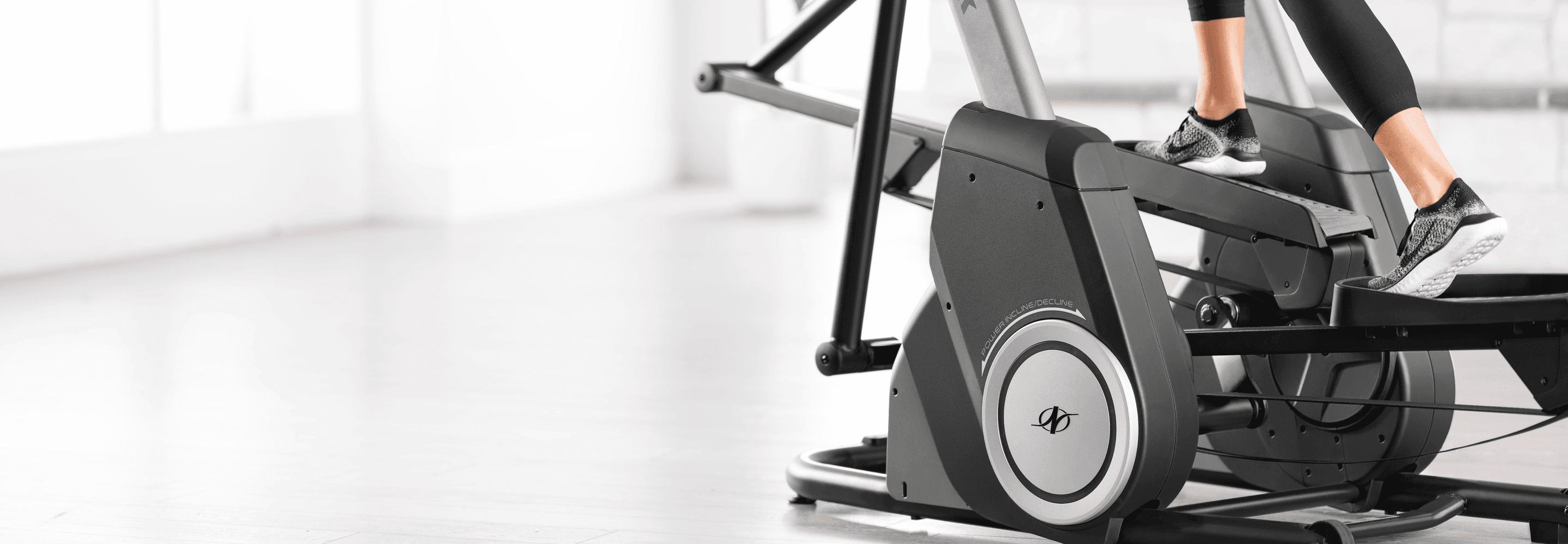
Post-Pregnancy Elliptical Workout: Intervals
If you’re looking for a low-impact, high-calorie-burn workout, you’ve come to the right place. Say hello to the elliptical: the happy blend between the bike and the treadmill. If your post-baby body isn’t quite ready to be jumping and sprinting, the elliptical is a great tool to work your heart, muscles, and lungs, all in one place. Our primary focus during this workout will be intervals. We’ll be alternating between high- and low-intensity periods to allow your body time to recover between sets. That means you can give it all you’ve got during the high-intensity parts. Low-impact workouts have a reputation for being easy, but this is one you can make as hard as you want. Hopefully, you challenge yourself and feel a great sense of accomplishment. So what are you waiting for? Let’s hop on, get warmed up, and burn some serious calories! print workout
March 5, 2020
Read More

Post-Pregnancy Treadmill Workout: Walk and Jog
Jogging after having a baby can be daunting. Your body has gone through a lot of changes. Your pregnancy recovery time is necessary but sometimes painful…or painfully dull. You may have had to take time off from working out during your pregnancy. Whether you were a runner beforehand or not, it takes some serious guts to get into working out! If you’ve been struggling, get inspired by one of iFit’s nutritionists—Michelle Alley. Read her story here. We know that it can be intimidating to get back in stride, so we created this workout with you in mind! Join us for a challenging, but gentle, introduction back into jogging. With a mix of walking and jogging, you’ll be sweating and feeling great in no time! It’s important to remember that everyone’s bodies are different. If at any time you feel like the speeds are too fast or too slow for your current fitness level, don’t hesitate to switch things up on your treadmill. Nobody knows your body better than you! Keep pushing yourself and always remember to celebrate small victories. Print Workout
March 5, 2020
Read More
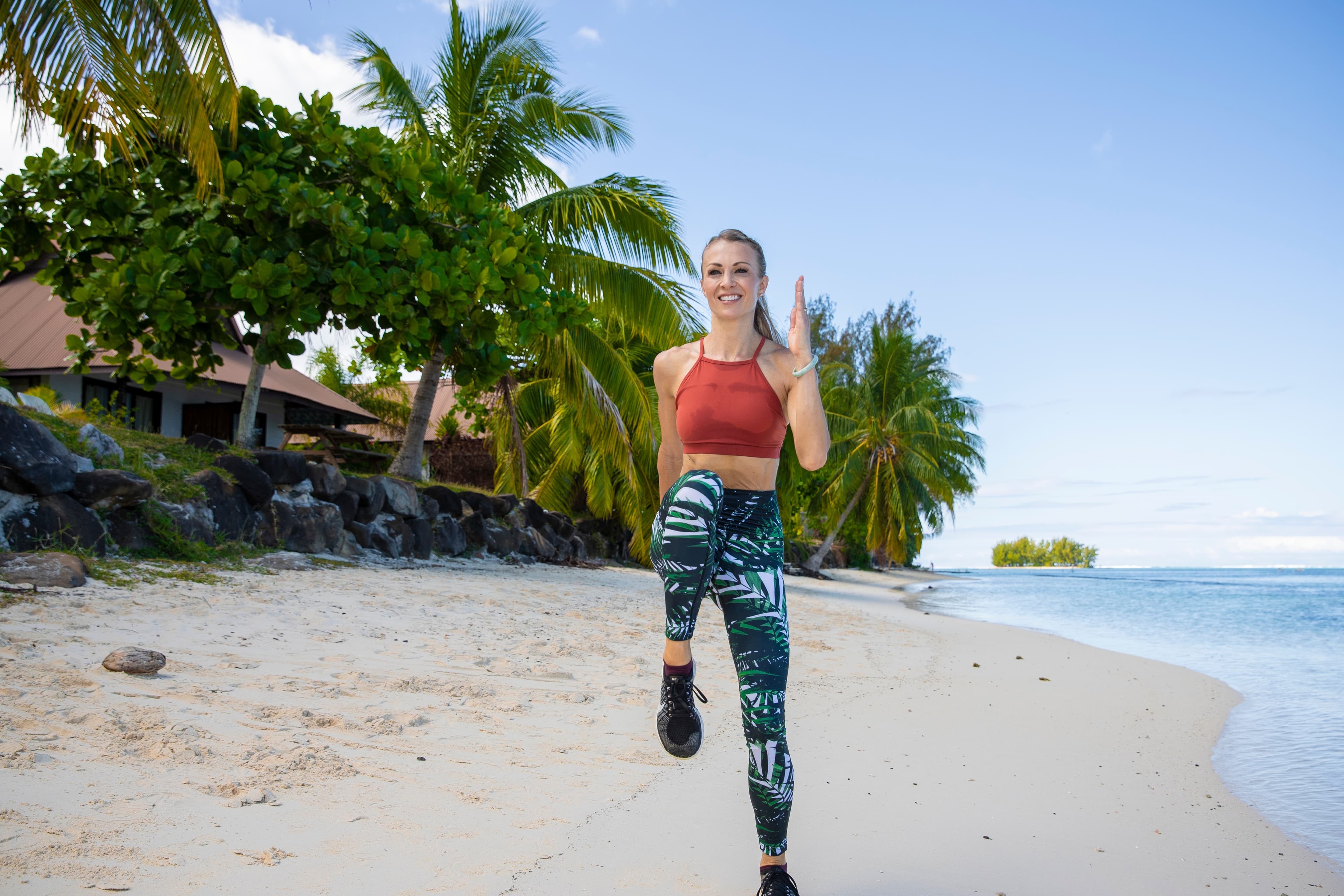
Simple Honeymoon Body Workouts
The big day is fast approaching and your mind is kicking into high gear. "I want to lose those last five pounds!" you tell yourself...or, "These batwing arms and love handles have got to go!" Whether you're the bride, the mother-of-the-bride, the groom, or part of a bridal party, you are most likely affected by the pressures that surround the wedding season. The negative self-talk and desperate desire to achieve an arbitrarily defined idea of perfection is a tough burden that weighs even heavier in the context of "sweating for the wedding."We're here to remind you to take a step back for a second and reassess! Regardless of your role in the wedding, this is supposed to be a fun and exciting time, celebrating with the people that you love and that love you. So instead of obsessing over your diet and exercise routine, at iFit, we're advocating for a healthy approach to wedding fitness. We're saying a big "NO" to crash diets, starvation tactics, and three-a-days at the gym and instead, we are incorporating short, effective, equipment-free workouts that are easy to squeeze into even the busiest of days.Even if you don't have the time for a full-on treadmill or bike sweat session (or maybe you just aren't in the mood, which is also okay!), you'll still get your heart pumping, muscles quivering, and endorphins flowing with these great at-home workouts, courtesy of iFit Trainer Elyse Miller. So grab your yoga mat and resistance band, blast some music, and get ready to have some fun! Workout 1: LOW-IMPACT FULL-BODY 10–15 reps each (on exercises with single side, do 10–15 on each side)3–4 setsDone in 15 minutes Workout moves Mountain climber to push up (go to knees for push-up if needed)—mountain climber on each leg, then push-upSingle-leg, bridged hamstring press upKnees to march up squat—alternate which leg you step up withSide plank with outer thigh liftsReverse plank tricep pressDownward dog to plank—bring one knee in and toward elbow, alternate sides Workout 2: HIIT CARDIO 30 seconds for each moveRest 10 seconds between moves3–4 sets10–15 minutes max Workout moves Lunge hop upIn/out squat hopsBurpees with double-glute kick backLong jump and low shuffle backHalf burpee (get into a plank, hop feet toward hands, squat super low, then pop back into plank)Mini squatting jacks Workout 3: FULL-BODY TONING & STRENGTH 30 seconds each, minimal to no rest3 sets Workout moves Banded side steps with bicep curlsBanded squats with glute kick backSquat hold with band pulls (squeeze the back as you pull back)Hamstring lunges (keep the back leg totally straight, focus on bending toward the front toe, almost as if going forward and back, rather than up and down)Planked single arm row with knee tap
June 3, 2019
Read More
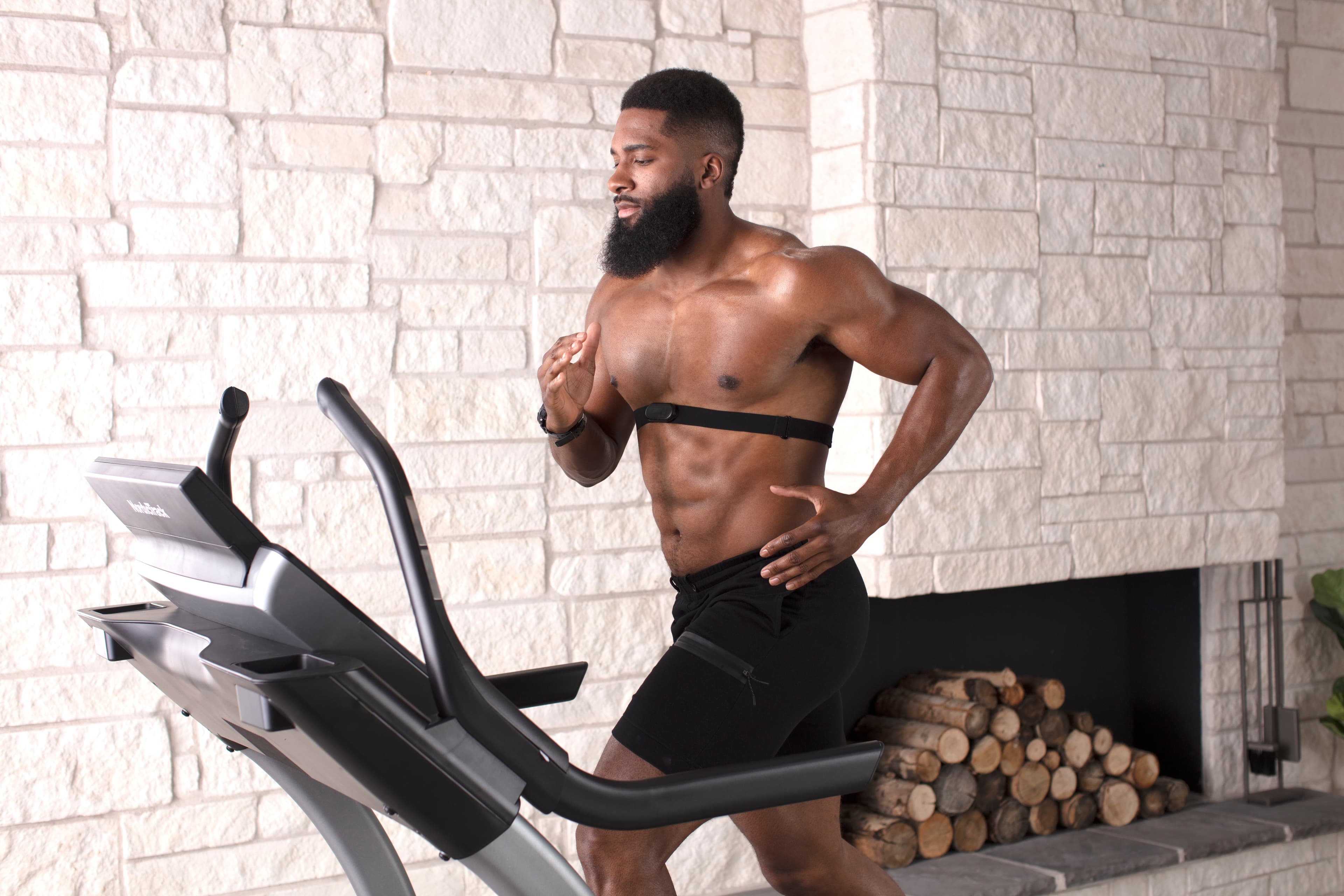
Chronicles of the Heart Part 2: Guide to Heart Rate Training
Editor’s note: this article is the second part of a two-part series on heart health. The first part introduces the functions of the heart, the importance of taking care of it, and lifestyle changes you can make. The second part discusses why heart rate matters, how to calculate your heart rate for training, and how to incorporate it into your fitness routine. While everyone’s fitness routine may differ, most of us tend to focus on strengthening different parts of our bodies — legs, abs, arms, glutes, etc. But what about your heart? In this article, we’ll focus on how to calculate your heart rate and why it’s essential to work out in the optimal heart rate zone. In Chronicles of the Heart Part 1: Why Heart Health Matters, we discussed the many benefits of caring for your heart. Changes in your diet, reducing stress, and exercising were all factors that we mentioned to improve our overall health. Now, to bring some much-needed attention to heart health, here is how to calculate your heart rate and understand the zones to help maximize your fitness routine! Calculate your heart rate While there are fitness wearables that can automatically calculate your heart rate zones for you, you can also do it yourself. All you need is a calculator, a timer, and a piece of paper. Calculations Resting Heart Rate (RHR) While lying in bed, count your heart beats for one minute. Do this over three days and then use the average. Maximum Heart Rate (MHR) Either perform a HR max test or calculate your estimated HR max with the age calculation formula below. Heart Rate Reserve (HRR) This is the difference between your resting and your max heart rate. Understand the heart rate zones Duration: unlimited Here’s where your health benefits start to kick in, and Zone 1 is a great place to be. While you won’t experience significant cardio benefits immediately, some research has shown that Zone 1 activities decrease disease rates and increase overall health. It’s a great intensity level for recovery days, as well. Duration: < 90 minutes If weight management is your goal, then Zone 2 can help. This workload is maintainable for up to 90 minutes, and it’s the lowest intensity level where your cardiovascular system can still see improvements. For long endurance training (half marathon or longer), aim for up to 80% of your training time to come from this zone. Duration: 30–45 minutes Zone 3 is where your body gets the most cardiovascular benefits, and it’s sometimes referred to as the aerobic zone. When it comes to developing stamina and increasing aerobic capacity, Zone 3 is where it’s at. It’s also shown to be the most effective training zone for developing strength in weight training. For general fitness goals, Zone 3 is ideal. Duration: 10–20 minutes Between Zones 3 and 4, most people switch from an aerobic (with oxygen) to an anaerobic (without oxygen) energy system. This is where the level of exertion is no longer sustainable since the body becomes less efficient at producing energy from fuel sources. When it comes to boosting your performance and increasing your lactate threshold, training in Zone 4 is key. Duration:<5 minutes Zone 5 isn’t just for elite athletes, but caution is advised. For older adults and beginners, high-intensity training isn’t necessary. However, if you’re in good health, you may be able to do high-intensity workouts, so long as you consult a medical professional first. It can be just what you need to see an increase in your performance. Use Zone 5 for short sprints and during competitions. Reap the benefits When it comes to working out, heart rate training is as personal as it gets. It means that you are listening to your physiological responses during your workout and making adjustments along the way. Remember that you don’t have to run or push yourself to intense limits. Also, heart rate training helps you avoid overtraining, but it will naturally force you to progress as your fitness level gradually increases. Disclaimer: This blog post is not intended to replace the advice of a medical professional. The above information should not be used to diagnose, treat, or prevent any disease or medical condition. Please consult your doctor before making any changes to your diet, sleep methods, daily activity, or fitness routine. iFIT assumes no responsibility for any personal injury or damage sustained by any recommendations, opinions, or advice given in this article. Always follow the safety precautions included in the owner’s manual of your fitness equipment.
March 8, 2019
Read More

Chronicles of the Heart Part 1: Why Heart Health Matters
Editor’s note: this article is the first part of a two-part series on heart health. The first part introduces the functions of the heart, the importance of taking care of it, and lifestyle changes you can make. Stay tuned for Chronicles of the Heart, Part 2: All About Heart Rate, to learn why heart rate matters, how to calculate your heart rate for training, and how to incorporate it into your fitness routine. PSA: YOUR HEART NEEDS ATTENTION! We are all well aware that the heart is the most critical muscle in the body. In fact, it’s what keeps you alive. Your adult heart beats approximately 100,000 times daily — 60–100 beats a minute at a resting state, according to the American Heart Association. Constantly adjusting to your ever-changing demands for more or less blood means it’s safe to say your heart is the hardest working muscle in your body, so it’s crucial to give it your attention and a little TLC. But before we dive into the details, let’s refresh our memories with a fourth-grade science lesson. Your heart is a muscle that pumps blood throughout your body via arteries and veins (a.k.a. blood vessels). The left side of your heart sends oxygen-rich blood to your body, circulating through every cell in less than 60 seconds. Then, the returning blood enters the right side of the heart, which pumps the blood into your lungs for a bit of cleansing before sending it back out. Your heart rate is the number of times your heart beats per minute. At a resting heart rate (60 beats per minute to 100 beats per minute), your heart is pumping the lowest amount of blood you need because you might be sitting or lying down and feeling relaxed. When you’re exercising or active, your heart rate increases, allowing your heart to satisfy your body’s need for more oxygen. As obvious as it may seem, maintaining a healthy heart will help you keep your body strong, regardless of age, according to the Heart Research Institute. If you are younger, getting comfortable with simple steps that help take care of your heart can be beneficial in the long run. If you are older, knowing how to take care of your heart can help you make sure it isn’t working too hard and reduce your risks of cardiovascular disease. Know your heart health factors The first step in caring for your heart is getting to know it better. As self-regulating as your heart may be, many psychological, physiological, and environmental factors can affect your heart rate (and your heart health). Your fitness level, sleep (or lack thereof), hydration levels, stress levels, and fatigue are all internal factors influencing your heart rate. On top of this, how much caffeine you drink, body and environment temperatures, humidity levels, and even the altitude at which you live can also affect your heart rate. Your heart rate is highly susceptible, so even the slightest changes, for example, anticipating a workout, can measurably boost your heart rate. Nurture your heart health Maintaining a healthy diet is one of the best ways to take care of your hard-working heart. This includes reducing salt and alcohol consumption, eating more grains, and keeping saturated fats to a minimum (found in fatty meats, high-fat dairy, and processed foods). However, this doesn’t necessarily mean eating grass or tofu for the rest of your life — balance is essential. Getting your five-a-day in (eating at least five portions of fruits and vegetables a day) will boost your potassium intake, which helps lower your blood pressure. Plus, fruits and veggies contain many nutrients that help keep your heart healthy and lower cholesterol. Experts also suggest consuming more omega-3 fatty acids, which means eating more fish. Vegetarians can get omega-3 fats from walnuts, spinach, wheat germ, pumpkin seeds, and more. Stay active The fact is moderate to vigorous physical activity strengthens your heart. Exercising helps your heart pump more blood with each heartbeat, delivering more oxygen to your body and, in turn, making it function more efficiently. Exercise can also lower blood pressure, reduce the risk of heart disease, and reduce your low-density lipoprotein (bad cholesterol) levels. Moreover, exercise raises your high-density lipoprotein (good cholesterol) levels, which can help carry fatty deposits out of your arteries. By exercising, you’ll also build lean muscle and burn calories faster. The National Heart, Lung, and Blood Institute suggests that moderate-intensity aerobic exercise for at least two-and-a-half hours a week or vigorous aerobic exercise for one-and-a-half hours a week are an ideal exercise routine — but remember that everyone’s body is different, and speak to a medical professional before beginning a new fitness routine. Why it matters Taking care of your heart not only keeps your body functioning properly, but it can help lower your risks of heart disease and other cardiovascular diseases. To that end, the human body is a complex, interconnected system. Think of your heart as the main generator that commands every organ, muscle, tissue, and cell to work harmoniously and keep you going. If your heart isn’t successfully providing your body with an adequate amount of blood and oxygen, different functions will be affected. By maintaining a healthy diet and a consistent exercise routine, you’ll give your heart the attention it needs to keep your body functioning at its best! Disclaimer: This blog post is not intended to replace the advice of a medical professional. The above information should not be used to diagnose, treat, or prevent any disease or medical condition. Please consult your doctor before making any changes to your diet, sleep methods, daily activity, or fitness routine. iFIT assumes no responsibility for any personal injury or damage sustained by any recommendations, opinions, or advice given in this article. Always follow the safety precautions included in the owner’s manual of your fitness equipment.
February 6, 2019
Read More