Meditation

Try These Meditation Workouts With 8 iFIT Mind™ Trainers and Guides
Earlier this year, we introduced iFIT Mind™, a new category in the iFIT Library that completes the entire wellness puzzle. The workout series that are included in iFIT Mind are designed to turn your attention to mental fitness. There’s no shortage of engaging workouts in this new category. You can bike, walk, and do yoga workouts in scenic locations all over the world with experts in both physical and mental training. One major focal point of iFIT Mind is meditation. Not to be confused with mindfulness exercises that involve grounding techniques, meditation is a more formal practice requiring you to be present with your thoughts. While many enjoy in-person meditation classes, you may not have the time to head to a local studio. That’s where iFIT can lend a helping hand! When you need to take a mental breather after a long day, iFIT Mind meditation workouts can provide that refreshed feeling you’re searching for. Ready to give meditation exercises a shot? While there is a great assortment of iFIT Mind workout series, there are several dedicated to just meditation practice. Many iFIT Trainers and Guides in this category will help you slow down and work on your complete wellness. With so many different trainers, you can find a meditation class that meets you where you are in your fitness journey. Not sure who to choose? Get to know eight of our iFIT Mind Trainers and Guides through their meditation workout series! 1. Julie Piatt (AKA “SriMati”) iFIT Guide Julie Piatt's wellness journey began after discovering yoga, practicing deep meditation, and adopting a plant-based diet. She believes that her new lifestyle contributed to healing herself of a large cyst in her neck. After this experience, Julie developed a more profound connection to food. Julie has made a name for herself in the health and wellness world, creating over 300 plant-based recipes featured in a number of best-selling cookbooks. As a living spiritual guide, plant-based chef, and best-selling author, Julie hopes to inspire others to embrace their spiritual nature. Join Julie’s yoga and meditation workouts in A Journey for the Soul Yoga Series, consisting of four sessions broken into several parts. You’ll work on grief, how to embody health, and what it means to live a “victorious life.” Get ready for an incredible home workout experience! 2. George Mumford Once an aspiring basketball player at the University of Massachusetts, iFIT Guide George Mumford had to quit playing due to injuries. His loss of passion and a pain medication addiction caused him to turn to heroin as a coping mechanism. George fought this addiction for years but finally got clean and began studying mindfulness as a productive way to manage stress. In 1993, Coach Phil Jackson recruited George to teach the Chicago Bulls mindfulness exercises after Michael Jordan left the NBA. He had found his true calling—helping others learn how to stay mentally sharp, focused, and fulfilled. Interested in hearing George’s stories about his time spent working with professional athletes? Try his mindfulness and meditation workouts in his Paradise Within Series, where you’ll get to know George and his “spiritual superpowers” that you can apply in your own life. 3. Thalia Ayres Randolph As a multidisciplinary healer, iFIT Trainer Thalia Ayres Randolph utilizes shamanism, Taoism, yoga, and other spiritual practices to inspire and teach others how to uncover and magnify their own light. Thalia believes that the pursuit of enlightenment is a human birthright and is on a mission to help others understand the role they play in their own healing. Working with clients from all walks and stages of life, Thalia believes that in order to transform the outside world, we must first start from within. Join Thalia in beautiful Costa Rica in one or both of her unique workout series. Interested in moving through yoga flows? Thalia’s Costa Rica Transformative Yoga Series features six yoga sessions including power, slow, and restorative flows. How about sound baths to learn how to ground yourself in short, 5-10 minute meditation exercises? Her Costa Rica Sound Bath Series is a very special addition to the iFIT Library that you may find impactful. 4. Jamie Mitchell As one of the best big wave surfers in the world, Australian native and iFIT Trainer Jamie Mitchell is more comfortable in water than on land. Known for his calm and methodical approach to surfing, he’s a big wave charger, 10-time Molokai to Oahu Paddleboard World Champion, and 2-time ISA World SUP Distance World Champion. As a child, Jamie’s doctor recommended learning how to swim after an asthma diagnosis. With his father’s guidance, he began surfing at six years old. Since then, Jamie has paddled into and conquered countless waves. Join Jamie on the island of Oahu, where he’ll coach you through incredible walks, hikes, and meditations. He’ll clue you in on the mindfulness techniques he applies in his big wave surfing career, which help him stay calm in the wildest and most dangerous of waters. In this workout series, you’ll also meet Emi Erickson, a major player in women’s big wave surfing! 5. Emi Erickson iFIT Trainer Emi Erickson is paving the way for women’s big wave surfing. As the daughter of legendary big wave surfer Roger Erickson, Emi is carrying the torch as a pro surfer who’s known to exclusively ride single fin boards. Emi’s a big wave charger who isn’t afraid to paddle out into breaks, which has paid off in her career. In 2016, she was one of 12 women invited to compete in the first Big Wave Tour’s Pe’ahi Women’s Challenge. Three years later, she became a Nelscott Reef Pro Champion. Now, Emi uses her knowledge of surfing, living healthy, and trailblazing to empower others. Alongside Jamie Mitchell, Emi will share mindfulness exercises with you on the island of Oahu. Although you’ll be walking or hiking, you’ll find that she and Jamie allot time for guided meditations at the end of each workout. If you’re looking for a meditation workout series that has both physical and mental workout segments, the Hawaii Walking and Meditation Series is for you! 6. Faith Hunter While coping with the death of a close family member, iFIT Trainer Faith Hunter turned to yoga and meditation. After practicing mindfulness and engaging in personal reflection, Faith released her fears and stress to become more at peace. This amazing experience convinced Faith that she needed to share these practices with others. In 2003, Faith began teaching others in yoga, meditation, wellness, and healing. Since then, she’s been on numerous international tours and graced the covers of numerous publications sharing her story. Faith’s yoga and meditation workouts are great for learning how to feel present and connected with your body during meditation. The Panama Meditation Series and Jamaica Hatha Yoga Series, both led by Faith, offer rejuvenating sessions that help foster focus, inspiration, and clarity. Filmed in gorgeous locations around Panama and Jamaica, Faith’s yoga and meditation workouts might become some of your go-to workouts! 7. Nicole Meline iFIT Trainer Nicole Meline is a New York City-based triathlete and yogi who brings a spiritual twist to her workouts. She’s deeply passionate about spirited movement and revelatory stillness, believing that humans are made to move. With four master’s degrees in the humanities and sciences, Nicole now uses her education to teach others how to move with strength and joy. Nicole currently leads online transcendent workouts that connect your body and mind, as well as soulful wellness retreats around the world. With both yoga and meditation workouts, you can take a wellness journey with Nicole in the mountains of Montana or in peaceful locations in Patagonia. Her Montana Meditation Series features six different meditation workouts, each with a specific focus. You can also join her in Patagonia, where you’ll work through yoga exercises to help build your physical and mental strength. 8. Zein Salti iFIT Trainer Zein Salti has always been passionate about nature, hiking, and the beauty of the earth. Certified in both Ashtanga yoga and Sivananda, she has a strong appreciation for the meditative and gentle style of Vinyasa to recenter the body. Zein loves to experiment with cold-pressed juices and raw vegan food as a way to improve her overall health. She brings a peaceful approach to fitness, focusing on the power of alignment and breathing. In her Jordan Yoga Series, Zein expertly guides you through different yoga flows (including Vinyasa!), as well as meditation exercises in the tranquil Wadi Rum Desert. Drawn to ancient history or the natural wonder of deserts? Zein’s yoga workout series is a wonderful option for learning how to do yoga, practicing flows, and meditating. Channel your energy with iFIT meditation workouts Which of these iFIT Guides and Trainers piqued your interest? Maybe you love the idea of meditating with a personal trainer in Costa Rica or Jamaica, or you might feel that you could really benefit from someone who has worked with professional athletes. No matter which type of meditation you feel will be useful to you, we have it in our meditation app! Our expansive iFIT Mind category includes many more meditation workouts like those highlighted above. When you’re ready, these workouts will help you slow down and tune in to your thoughts and feelings. You can even take these meditation workouts with you on the go when you download the iFIT fitness app! Disclaimer: This blog post is not intended to replace the advice of a medical professional. The above information should not be used to diagnose, treat, or prevent any disease or medical condition. Please consult your doctor before making any changes to your diet, sleep methods, daily activity, or fitness routine. iFIT assumes no responsibility for any personal injury or damage sustained by any recommendations, opinions, or advice given in this article. Always follow the safety precautions included in the owner’s manual of your fitness equipment.
December 1, 2021
Read More
Make the Most of Your 7 Minute Workout
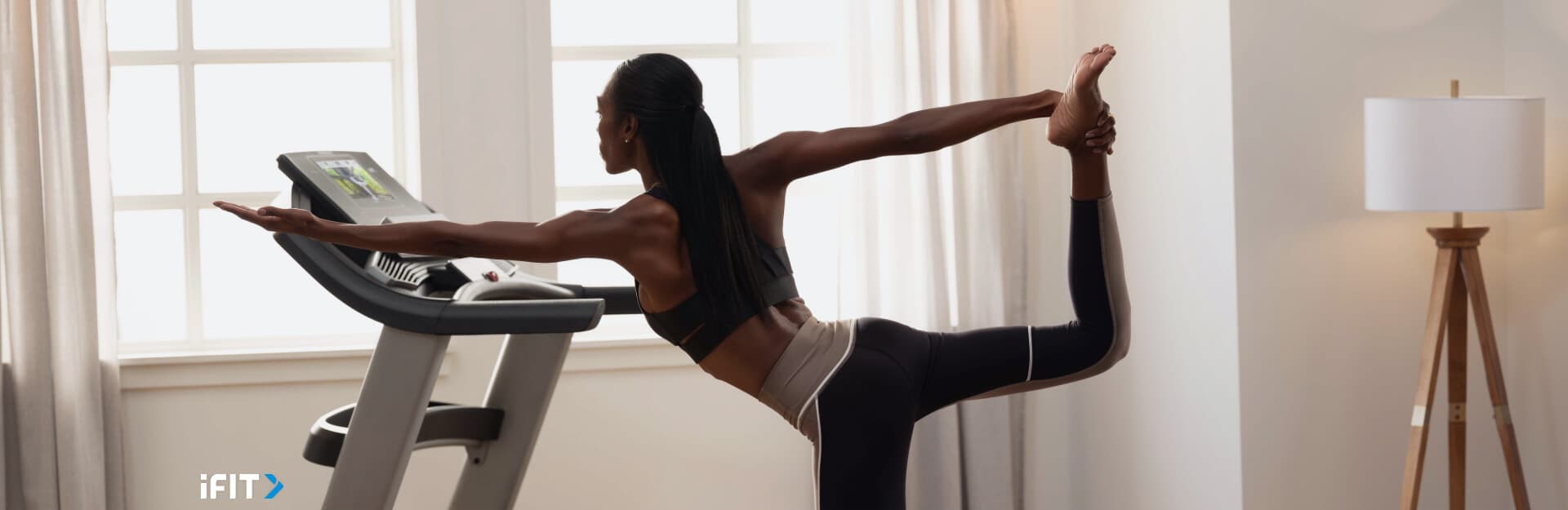
After a busy day, you look at the clock and a feeling of dread spurs. You don’t have the time to work out for an entire hour. In fact, you only have a few minutes to spare. Should you bother exercising at all? This is a question that many people face, especially those with busy lifestyles. When careers, families, friends, and hobbies are parts of our daily lives, it can be challenging to balance the scales enough to add routine exercise into the mix. Luckily, you don’t need that hour to just get your body moving. While longer workouts are certainly great options on days when you do have the time, there are many ways you can capitalize on shorter time periods. Shorter workouts, especially those under 10 minutes, will likely not be enough to hit your workout goals. However, the focus here should be on simply moving for better well-being. The key here is not to stress about the time you don’t have and make those few minutes count for the sake of daily movement! Let’s say you only have 7 minutes between meetings, before after-school pick-up, or prior to dinner with family. Sure, you could spend that time scrolling through social media or chatting on the phone. But what if you could do something more productive with that time? We’re getting into a few different ways you can use those 7 minutes, helping you get moving no matter how busy your day becomes! Why daily movement matters With the right mindset and a plan, you can make daily movement a part of your routine. While you may enjoy longer workouts, there will come days when you simply don’t have the additional time to head to the gym, go for a long run, or hop on your stationary bike for a 5-mile ride. If you’re used to longer workouts, a short, 7 minute workout may not seem worth the effort. Here’s why you might be interested in a different perspective on daily movement, even for short periods of time (versus not moving at all!). As a whole, we are sitting now more than ever before. Where generations before us were accustomed to walking to places like work, the grocery store, and elsewhere, the ease of transportation has essentially eliminated the need for traveling by foot. What’s more, today many work in offices where sitting is the norm. According to the Mayo Clinic Health System1, this much sitting is linked with conditions such as obesity, back pain, hypertension, and even cardiovascular disease. This is why movement matters. While you don’t need to stand throughout the whole day, it’s critical that you are mindful of moving during periods of excess sitting. A spare 7 minutes can do your mind and body more than a few favors. Stumped on a solution to a difficult situation? Going for a quick walk may help clear your mind to reach a potential fix. Hitting that midday slump and can’t seem to wake yourself up? Some full body stretching for a few minutes might do the trick. Hips feeling tight from sitting all morning? Bodyweight exercises like air squats can help loosen up your hip flexors. Simply put, you can make the spare time you have in your day work for your well-being. 5 ways to work out when you're short on time Even on your busiest days, you can make a workout happen. Here are four specific ways you can squeeze in a 7 minute workout that suits your schedule. The key to such short workouts is focus. In order to make these count, try your best to become mindful of the exercise you’re about to do. Whether you’re going for an outdoor walk or doing a HIIT workout in your home gym, your mind should be focused on the activity at hand. For some of these 7 minute workouts, the goal will be to relax and recenter your mind. For others, it will be to squeeze out the most productive work you can. 1. Do a meditation exercise Meditating is a great way to calm your mind and body, especially when you’re short on time. If you’re feeling stressed, anxious, or unfocused, it can be easy to get into a cycle of overthinking or using your phone as a distraction. Instead of these unhelpful approaches, you can instead try a quick meditation to help ease and recenter your mind. You can use your 7 minutes to do one or more meditation exercises. This can be as simple as a breathing exercise like this one: Close your eyes (this will help with distraction).Slowly inhale through your nose for five seconds.Hold your breath for five seconds.Slowly exhale through your nose for five seconds.Repeat this cycle for 7 minutes. If your mind wanders, gently redirect it to your breath. Breathing exercises are short by design, bringing your attention to your breath in the present. Ideally, you will want to meditate in a quiet place, but you may not have that luxury in your spare 7 minutes. That’s okay! You can do these while in the car, at your desk, or even while on a walk (known as walking meditation). You can also engage in short, guided meditations, which walk you through an exercise step-by-step. This proves more useful to those who need an outside party to help them focus on the present. 2. Get your stretch on Feeling a little tired and stiff? Need a pick-me-up? Instead of reaching for another coffee or soda to energize yourself, you can get that refreshed feeling by going through a few stretches! After being in one position for an extended period of time (such as sitting at your desk), your muscles can become stiff and tight. If you have a desk job, you’ve probably experienced a tight lower back or aching shoulders. In a sedentary position like this, blood can pool, which may make you feel fatigued during the day. With stretching2, blood flow is increased in the area you’re focusing on. When you stretch your hamstrings, for instance, your body naturally increases the blood flow around these muscles as they stretch. With the influx of blood, more oxygen becomes available to the muscles you’re working on. During a full body stretching session, blood flow is increased all over, including your brain! This can often lead to a more energized, awake feeling. So, what does this mean for you? You can use stretching as your 7 minute exercise! Pick out a few of your favorite stretches that target your upper and lower body. If you have a muscle group that’s sore from sitting or exercising, try to incorporate it into your stretching routine. 3. Try a 7 minute ab workout When you only have a few minutes to work with, you can put together a quick and challenging ab workout. If you’ve ever done planks, then you may be among the many who joke that a minute-long plank seems like forever! This is because ab workouts can be effective without taking much time at all. Plus, you can do a 7 minute ab workout without much planning. One easy way to go about this workout is to stick to planks. Challenging your entire body, planks can be a great tool in your exercise toolbox that can be modified to your fitness level. If you’re a beginner, you can start with 30-second planks followed by 1-minute rest periods. With this set-up, you will carry out six 30-second rounds of planks followed by a minute rest after each round. While it may sound like a lot, remember—this is only 7 minutes! You can also choose other ab exercises for your 7 minute workout, such as seated crunches, V-Ups, inchworms, and other movements. Another way to use your time is to halve it. Use the first four minutes for your main ab exercise and the remaining three for a recovery move, like bird dogs, camel poses, or dead bugs. 4. Go for a short walk Walking is an easy way to get your body moving, making it the perfect 7 minute workout for beginners. With no special fitness aptitude required, stepping away from wherever you are to take a walk can have quite a few benefits. A 2016 Johnson & Johnson study3 found that bouts of 5-minute walks throughout the workday demonstrated improved mood, decreased levels of fatigue, and reduced food cravings. For this study, participants took six hourly 5-minute walks, totaling 30 minutes of movement. While results will vary greatly depending on the individual, we can hypothesize that taking a 7-minute walk (and a few more throughout the day if you can!) may have some of the effects as shown in Johnson & Johnson’s study. Head out for a walk around your neighborhood, office complex, or elsewhere as a way to refocus your mind. Generally speaking, changing your scenery could help you feel more awake and refreshed! 5. Drop into a quick HIIT workout Feeling ready to take on the challenge of a HIIT workout? To get the most out of this short 7 minute workout, you’ll need to plan and time it. HIIT is all about intervals, so it’s important you know the type of exercises you’d like to do in your 7 minutes. Targeting your full body, HIIT can be done as a home workout requiring no additional equipment outside of your body! Here’s an example of what a 7 minute HIIT workout could look like: Mountain climbers: 30 seconds Squat jumps: 30 seconds Recovery: 30 seconds Complete for 4 rounds, using the last minute as your cooldown. You can put together your favorite HIIT exercises in a similar structure as the one above! While you can easily piece together a 7 minute workout online with a quick search, you can also follow along to a workout led by a personal trainer with iFIT. In the iFIT fitness app, you can find short HIIT workouts like iFIT Trainer Carmel Rodriguez’s Total-body HIIT. Although you only have a little over five minutes to work with, you can complete a great HIIT workout and feel empowered about how you’ve spent your time! Try a 7 minute workout with iFIT While 7 minute workouts will not have the same feeling as 30-minute or hour-long workouts, you can still apply this time to your wellness. On those busy days, finding even just a few spare minutes can make a big difference in your mood. Whether you give our 7 minute workout app a try or head outside for a short stroll, you can feel good about how you spent your 7 minutes of free time. Making time for your wellness is much better than doing nothing at all! References 1. Jagim, A. (2020, June). The importance of movement. Mayo Clinic Health System. https://www.mayoclinichealthsystem.org/hometown-health/featured-topic/the-importance-of-movement. 2. Yetman, D. (2020, August 28). The benefits of stretching and why it feels good. Healthline. https://www.healthline.com/health/why-does-stretching-feel-good#why-it-feels-good. 3. Bergouignan, A., Legget, K. T., De Jong, N., Kealey, E., Nikolovski, J., Groppel, J. L., Jordan, C., O'Day, R., Hill, J. O., & Bessesen, D. H. (2016, November 3). Effect of frequent interruptions of prolonged sitting on self-perceived levels of energy, mood, food cravings and cognitive function. International Journal of Behavioral Nutrition and Physical Activity. https://doi.org/10.1186/s12966-016-0437-z. Disclaimer: This blog post is not intended to replace the advice of a medical professional. The above information should not be used to diagnose, treat, or prevent any disease or medical condition. Please consult your doctor before making any changes to your diet, sleep methods, daily activity, or fitness routine. iFIT assumes no responsibility for any personal injury or damage sustained by any recommendations, opinions, or advice given in this article. Always follow the safety precautions included in the owner’s manual of your fitness equipment.
November 11, 2021
Read More

iFIT Trainer Highlight: Thalia Ayres Randolph
As a multidisciplinary healer, iFIT Trainer Thalia Ayres Randolph utilizes shamanism, Taoism, yoga, and other spiritual practices to inspire and teach others how to uncover and magnify their own light. Thalia believes that the pursuit of enlightenment is a human birthright and is on a mission to help others understand the role they play in their own healing. Working with clients from all walks and stages of life, Thalia believes that in order to transform the outside world, we must first start from within. We caught up with Thalia, who filled us in on how she approaches mental health and the methods she uses as a healer. How do you mentally prepare for a workout? I always use music to get me in the mood! Do you have a philosophy that you live by? My favorite quote is: “As we expand, life becomes simple.” The more that we grow and expand our awareness, we realize that we need less—not more—to be happy and fulfilled. What keeps you motivated when you don’t feel your best? Reading has always been my greatest motivator. I love turning to authors like Marianne Williamson, Thich Nhat Hanh, Carolyn Myss, Lynn Mctaggart, and Adyashanti when I'm feeling uninspired. Another favorite motivator is Oprah Winfrey's Super Soul Podcast. I take my dog for a walk and listen to an episode almost every day. It's incredibly healing. What experiences led you to become a multidisciplinary healer? Transforming adversity leads to deeper healing and awakening. Life's challenges are what force us to go deeper within and start our spiritual journey. I wouldn't be where I am today if it wasn't for experiences that brought me to my knees and forced me to look within and find meaning. I share the tools that continue to support me so that I can help others at different stages along their path. What advice would you give to someone new to spiritual work? How can they begin working on themselves from within? Read as much as you can about the spiritual topics that interest you and incorporate yoga and meditation exercises into your life! Those are the practices that have changed me and continue to support me in my evolution! What book is a must-read for those who want to improve their mental health? "No Mud, No Lotus: The Art of Transforming Suffering" by Thich Nhat Hanh. There is also a fun, pocket-sized book by him called "The Mindfulness Survival Kit," which illustrates how to invite mindfulness into your daily activities. Any other book by Thich Nhat Hanhim is amazing! What piece of advice would you give to someone navigating a challenging time in their life? Remember that you are never alone and that simply waking up today with your breath is enough. Life will always ebb and flow, so it can be incredibly helpful to use meditation practice as a way to stay connected to what really matters. For every dark night, there is a brighter day. Are there things you do or daily practices that you partake in to stay mentally strong? Yoga, meditation, walking, and hiking are my favorite activities that I do throughout the week! Taking time for myself on a daily basis is non-negotiable! What's your favorite part of your job? I love that my job keeps me committed to my spiritual growth and development as a human. It forces me to keep growing and expand beyond what I thought was ever possible. I also love that I get to be of service to other people, facilitate a space for healing, and be a vessel to spread ancient wisdom to the masses. The path is not easy, but it is an honor, which makes me feel fulfilled. Ready to begin practicing mindfulness and meditation exercises with Thalia? Join one of her restorative iFIT series this month! Meet up with her in Costa Rica for yoga, mindfulness, and walking workouts that will help deepen your mind-body connection. These relaxing workout series are perfect for starting off the morning or winding down in the evening. Disclaimer: This blog post is not intended to replace the advice of a medical professional. The above information should not be used to diagnose, treat, or prevent any disease or medical condition. Please consult your doctor before making any changes to your diet, sleep methods, daily activity, or fitness routine. iFIT assumes no responsibility for any personal injury or damage sustained by any recommendations, opinions, or advice given in this article. Always follow the safety precautions included in the owner’s manual of your fitness equipment. Opinions of iFIT Trainers are their own and may not be those of iFIT.
September 13, 2021
Read More

Get Big Results From Short Workouts
One topic iFIT Trainers talk about consistently is…consistency! But consistency can be the toughest part of a fitness lifestyle to maintain as schedules shift around the reality of family, travel, work, and even the holiday season. That’s where iFIT’s collection of under 20-minute workouts comes in. Short workouts offer flexibility when your schedule doesn’t. Best of all, short workouts help you maintain consistency over time, bringing you closer to achieving your fitness goals. Are short workouts worth it? If you’re wondering how much of an impact a 20-minute workout could possibly have, try a Tabata or interval workout. Both styles combine maximum effort intervals with shorter rest periods, so you'll work up a sweat in just four minutes of active time. JOIN BEGINNER PLUS BODYWEIGHT CARDIO SERIES If you're looking for something with a lower intensity, check out a restorative pilates or yoga class. Even a gentle workout will help build and maintain momentum and results. As in the story of the tortoise and the hare—slow and steady isn’t flashy, but it works, and even the smallest step forward is a step in the right direction. JOIN THAILAND YOGA & STRENGTH SERIES I’ve got plenty of time. What can short workouts do for me? Don’t count short workouts out when time is on your side, either! Add a trainer-led stretching class to the beginning or end of your workout to maximize the benefits of the time you’re putting in. Cooling down after your exercise gently returns your heart rate to normal and helps prevent injury—all in about 10 minutes. You can also target a particular area by adding a short strength workout to a longer one. It only takes a few minutes to give muscle groups like abs or glutes a great workout! Finally, zero in on a key fitness goal by stringing several short workouts together to create a workout program customized to your needs. JOIN 20-MINUTE BUILD AND BURN What about when I’m really pinched for time? On those days when you truly have just minutes to spare, you still have options. Stream a 7-minute stretch workout by your desk, take a walk with an iFIT Trainer while you stroll around the building, try a 15-minute energizing yoga class, or just a 5-minute meditation before you get out of your car. Working just a tiny bit of movement and intentionality into a busy schedule can give you the boost you need to take on your day! JOIN MONTANA MEDITATIONS Whether it's three short classes back to back, a 20-minute Tabata workout, or a few minutes of mindful breathing, choosing wellness always brings you closer to your long-term goal for an active and healthy lifestyle. In fact, you’re already living it. And if that weren’t enough: every single workout counts towards your iFIT Milestones! Filter by duration to find shorter workouts Now that you want short workouts, how do you find them? Follow these steps to filter workouts by duration: On the iFIT app (on your phone) Select your desired equipment type at the top of the screen, then tap Browse at the bottom. Next, tap the oblong search field at the top of your screen, then tap Duration from the dropdown menu.Select the workout duration that best suits your schedule, then tap Show Results. Scroll through the results screen and tap on any workout to learn more. On iFIT-enabled equipment Tap Browse at the bottom of your screen. Then tap Filters in the top right corner.Tap Duration, then select the workout duration(s) that fits your schedule, and then tap Close.Next, tap Workout Type, then select the type of workout you're interested in. You may select more than one. Only workouts for your iFIT-enabled equipment (and strength, yoga, mind, and recovery workouts) will be displayed. Tap Close when you have finished making your selections.Lastly, tap Show Results, then tap on any of the workouts that interest you for more information. On your TV with the iFIT app Select your desired workout type or equipment from the navigation bar.Click Sort by and select Shortest OR select Filter and choose the workout duration(s) that fits your schedule.Results will be displayed from shortest to longest. Tap the workout that interests you for more information. Click here for more information on how to use the filter and search functions on your iFIT app and iFIT-enabled equipment. Disclaimer: This blog post is not intended to replace the advice of a medical professional. The above information should not be used to diagnose, treat, or prevent any disease or medical condition. Please consult your doctor before making any changes to your diet, sleep methods, daily activity, or fitness routine. iFIT assumes no responsibility for any personal injury or damage sustained by any recommendations, opinions, or advice given in this article. Always follow the safety precautions included in the owner’s manual of your fitness equipment.
August 25, 2021
Read More

Is Mindfulness the Same as Meditation?
These days, many of us are working on improving our mental health. Now more than ever, people feel comfortable speaking about mental health and seeking ways to relieve stress, improve focus, and calm anxiety. Mindfulness and meditation are hot topics in the mental health sphere, as they’re easy to get started with and offer real benefits with regular practice. Because they’re so similar, mindfulness and meditation are often used interchangeably. The two are not synonymous, but instead, separate practices. A Harvard University study showed that a surprising 46.9% spend time thinking about things other than what they’re doing. The mind wanders away from the task at hand to other things in the present, from the past, or in the future. This loss of focus can bring on feelings of frustration and discouragement, which make it even more difficult to return to the original task. This is why mindfulness and meditation have garnered so much praise in the last few years. These practices, though different, each ask you to bring your focus to a specific place. With mindfulness, this could be as informal as noticing the temperature of running water or observing the space around you. With meditation, this focus is usually turned inward in a more formal manner. It can be confusing when distinguishing the two practices apart, so we’re outlining the specifics of mindfulness and meditation and how to practice them. This will help you choose the right meditation or mindfulness workout next time you’re ready to dive into a new workout series from iFIT Mind™. What is mindfulness? You may have heard of mindful eating or mindful listening, but what does “mindful” mean? Mindfulness is a simple practice that asks you to be present, notice your surroundings, and pay attention. When the mind wanders, mindfulness brings it back to the present moment without judgment. Here are a few ways that mindfulness differs from meditation. Informal exercises Mindfulness is something you already know how to do. Because of this, it’s really not an exact practice, but more of a quality that you’re working on embracing. When you bring your attention to the present after a few minutes of “zoning out,” that is mindfulness. Since mindfulness is informal, it can be practiced when it best suits your needs. You can engage in mindfulness exercises during work tasks, while eating, listening to others speak, or anything else. For many, this is more accessible than formal meditation exercises. Focus is placed on something specific Mindfulness calls the mind to notice the outer life. Many of us are multitasking masters out of necessity as we balance families, friends, careers, and hobbies. As we get caught up in the fray of day-to-day life, we begin to stop noticing the outer life. Have you ever forgotten what you had for breakfast or arrived at a destination without recalling the drive there? Life gets busy, and with that, we can sometimes forget to live in the present. Instead of chastising yourself for feeling unfocused or as if you’re just going through the motions, you can instead get into the habit of mindfulness exercises. In mindfulness exercises, you focus your attention on an object, a feeling, or your surroundings. There are many different types of mindfulness exercises that gently bring you to consciousness in the present moment. Take the 5-4-3-2-1 method. In this mindfulness exercise, you name five things you can hear, four things you can see, three things you touch, two things you can smell, and one you can taste. By naming these different things, the mind must be fully present to answer. Mindfulness workouts can also include physical activities, such as yoga, martial arts (like Tai Chi), and walking. What is meditation? Meditation is another avenue of becoming self-aware, except in a formal package. Meditation requires a greater time commitment to fully reap the long-term benefits. Unlike mindfulness, meditation is a bonafide practice. That is to say, you can be mindful without practice, but you cannot meditate without learning the ways to do it. Essentially, mindfulness simply enriches the meditation experience. There are many different types of meditation, including mindfulness meditation, spiritual meditation, mantra meditation, and others. A meditation workout can help set the tone for the day or ease you into a good night’s rest. After all, meditation is a workout for your mind. Though intertwined with mindfulness, meditation has distinct characteristics that separate the two practices. Formal exercises When you think of meditation, you might think of people repeating “om” with criss-crossed legs. This is mantra meditation, a popular type of meditation that relies on a mantra to clear the mind. While not all meditation types are like this one, they are formal in this manner. To engage in meditation, you must first be mindful to become in tune with your inner life. In meditation, you need time to allow yourself to be present with your thoughts. Usually, a meditation class can last from five minutes to an hour. Although it’s not an instantaneous process, meditation offers a space for people to be at full consciousness with themselves. During a stressful period, meditation exercise may help calm the mind, ease stress, and regain clarity. While mindfulness exercises can also provide stress relief, meditation is a more sophisticated practice that can become an essential part of your mornings or evenings. You can also join a structured meditation class led by an instructor. Doing so will also help you develop the skills you need to successfully meditate for a home workout to begin your day refreshed or wrap up your evening. Focus is placed on the inner life In meditation exercises, the mind focuses inward to become an observer of the thoughts. Typically, the breath guides the meditation session as you relax your mind and disconnect from the outside world for your set amount of time. Depending on your chosen type of mediation, you may repeat a mantra or affirmative phrase such as “So Hum,” “om,” or something else that resonates with you. You may opt for breathing as your guide instead, which is what you’ll find in mindfulness meditation. During your meditation, thoughts will begin to wander. This is where mindfulness and meditation differ; instead of calling the mind away and back into consciousness, we sit with and observe these thoughts. Here, you may notice a trend in your thought patterns. Maybe they’re surprisingly negative or riddled with worry. As you practice meditating, you’ll be able to reach that place of stillness more easily. Mindfulness in practice Depending on your available time, one of these practices may be better than the other. If you have a busy day ahead, mindfulness exercises may be ideal, as you can go about your day without needing to take an extended pause. However, if you wish to have space in your day for rejuvenating your mind, meditation exercises may be the better option. It’s incredibly easy to get started with mindfulness exercises, as you already know how to become self-aware. Since there are many different ways to practice mindfulness, you can try several exercises to see which suits you best. Some prefer to use their senses to return to the present. Others like to use anchoring phrases, such as stating their name and where they are at that exact moment. You can practice when you wake up in the morning when you’re brushing your teeth or preparing your breakfast. Notice how the toothbrush feels against your teeth or the flavor of your toothpaste. What are you preparing for breakfast? What does it smell like? Paying attention to small details like this will help you become more mindful. You’ll be able to slow down and, in time, learn to carry that mindfulness into other aspects of your life. Mindfulness meditation in practice As mentioned before, you must be mindful in order to successfully meditate. Mindfulness meditation uses the self-awareness of mindfulness with the aim of clearing and focusing the mind. During this type of meditation class, you’re not focusing on the same things as you would with mindfulness alone. For example, you won’t be observing the room with the five senses or placing your hands in warm water. In a mindfulness meditation home gym workout, you’ll be seated in a comfortable position (though walking meditation is wonderful for those with practice) with focus on your breath or on a mantra. As you notice your breathing or mantra, observe your thoughts and emotions without judgment. During this time, it’s important to be gentle with yourself and accept whatever thoughts pass through your mind during meditation. At the close of your meditation, check in with yourself to notice how you feel. Try an iFIT mindfulness or meditation exercise Now that you know the differences between mindfulness and meditation, you might feel ready to take on an all-new journey to improve your mental well-being. Although different from a physical fitness workout, a mindfulness or meditation exercise offers a restorative home workout. When you sign up for a free 30-day trial of iFIT, you can use the fitness app to access our brand-new iFIT Mind category. Here, you’ll find the latest mindfulness and meditation workouts led by world-class personal trainers and guides. Not sure where to begin? Here are our most popular meditation and mindfulness classes, each of which offers a unique and refreshing experience. Anxiety: Work It Out Series iFIT Guide Dr. Jarrod Spencer Hawaii Walking & Meditation Series with iFIT Trainers Emi Erickson and Jamie Mitchell Heart To Heart: On Acceptance with iFIT Trainer Jesse Corbin Jamaica Hatha Yoga Series with iFIT Trainer Faith Hunter Mind of the Athlete with iFIT Guide Dr. Jarrod Spencer Mood Food: Nutrition For Your Mind with iFIT Guide Dr. Eva Selhub These meditation and mindfulness workouts are perfect for any time of the day and can be done in the comfort of your home. There is something for everyone with these, so join a mindfulness class to give your mind the space to relax and unwind. Get going with iFIT Mind today! These are just a few of the mindfulness and meditation workout series we have to offer in our workout Library! With our mindfulness app, you can also browse through many other meditation classes on your mobile device, some of which are specifically audio-only for on-the-go stress relief. When you sign up for our meditation app, you’ll gain access to iFIT Mind workouts, as well as thousands of other immersive workout series all over the globe. You’ll have your very own personal trainer leading the way, challenging you to show up for yourself and start feeling better one step at a time. With iFIT, you can improve your physical and mental fitness at the same time. Disclaimer: This blog post is not intended to replace the advice of a medical professional. The above information should not be used to diagnose, treat, or prevent any disease or medical condition. Please consult your doctor before making any changes to your diet, sleep methods, daily activity, or fitness routine. iFIT assumes no responsibility for any personal injury or damage sustained by any recommendations, opinions, or advice given in this article. Always follow the safety precautions included in the owner’s manual of your fitness equipment.
August 6, 2021
Read More
How to Start Practicing Mindfulness
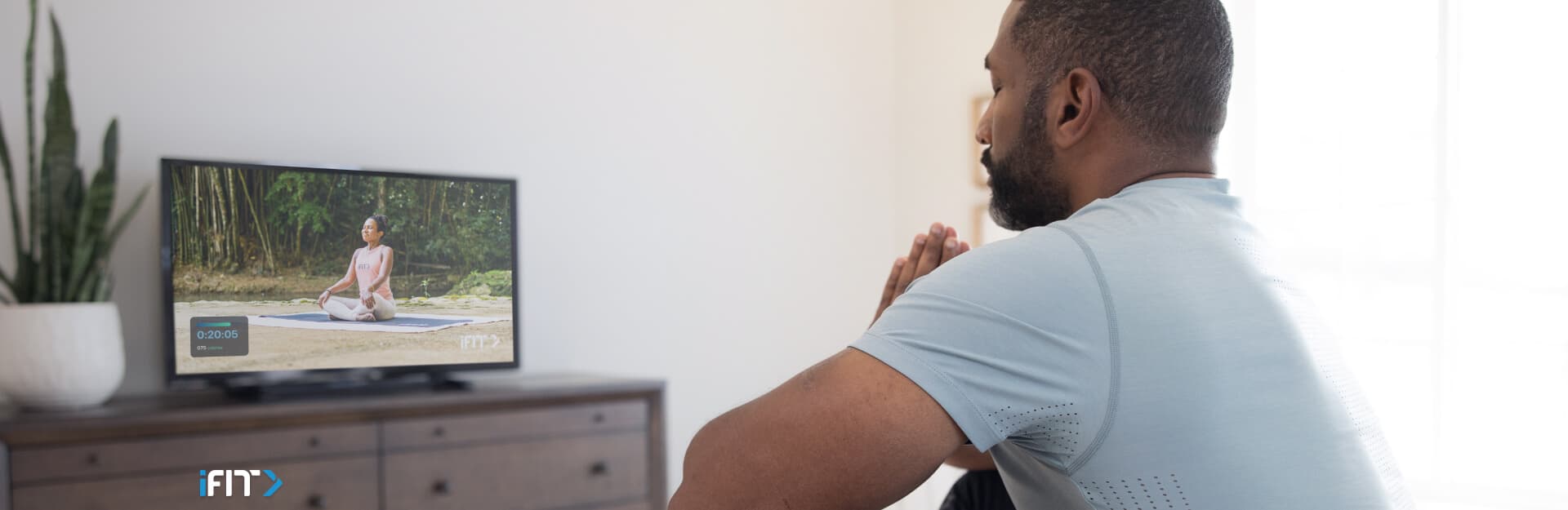
Over the past year, the importance of mental health has become a common topic of discussion. With the rise of the ever-popular mindfulness app, people are looking for easier ways to cope with stress and find better focus on the tasks at hand. Luckily, being mindful is something that we already do. The trick is learning how to access it, so that you can benefit from it as needed. How do you get started with mindfulness exercises? What can you expect from it? Is it really much different than exercising your body? Is a meditation workout worth your time? We break down everything you need to know about mindfulness so you can work on areas like anxiety, stress, staying in the present moment, and focusing your mind. Getting into the practice of mindfulness will help you and all those you interact with daily. What is Mindfulness? Mindfulness is a word we often hear, but what does it really mean to be mindful? Jeanne Mahon, Director of the Center for Wellness at Harvard University Health Services, describes mindfulness as “the practice of being aware of what’s going on in the moment.” That is the essence of mindfulness! Another important part of mindfulness, as Mindful Magazine notes, is to “not be overly reactive or overwhelmed by what’s going on around us.” Many of us live fast-paced lives, focused on everyday tasks to check off before the day turns to night. Maybe your day feels monotonous in this way as you go to work, come home, eat dinner, and prepare to do the same thing the next day. Mindfulness exists as a tool to break us out of that autopilot headspace. Practicing mindfulness isn't learning something new. We are naturally aware of our surroundings and our place within them. However, it’s very easy to lose sight of that awareness when life happens. At some point, many have felt that they were going through the motions or in a fretful “what-if” state of mind. Plus, mental health in the United States has become a significant concern. In 2020, COVID-19 fractured the normal lives of millions of Americans. According to Mental Health America, “The number of people looking for help with anxiety and depression has skyrocketed.” In the mix of all of this, it’s easy for people to feel distressed. While not a cure, mindfulness exercises offer a way to improve your psychological health by bringing your mind to full consciousness. Learning how to embrace mindfulness can even have positive effects on your physical well-being. Here are some of the most important benefits that mindfulness exercises can provide. Benefits of Mindfulness Maybe you’re thinking, “Mindfulness seems too simple to be effective.” It is true that mindfulness is a simple concept. After all, self-awareness is not a new skill. You can stop and think about your body, what you’re doing, and where you are at any given moment. When you do this, you become fully present to answer questions like these. When regularly practiced with technique, you might be surprised by the impact that mindfulness has on your life. Contributes to Better Psychological Health One of the most prominent benefits of mindfulness is its profound effect on mental health. We live in a fast-paced society, where working, eating, and moving quickly are praised. Because of this, it can be challenging to wrap your head around slowing down. However, that is precisely what your mind needs. Just like your body after a workout, your brain also needs recovery time. When was the last time you were able to truly slow down? For some, it only happens on rare occasions. A recent mindfulness study concluded that mindfulness “brings about various positive psychological effects, including increased subjective wellbeing, reduced psychological symptoms and emotional reactivity, and improved behavioral regulation.” This means that engaging in mindfulness exercises, like meditation, can genuinely improve your mental health. Psychotherapists often employ mindfulness techniques in treatment plans, helping clients learn how to manage their anxiety, depression, obsessive-compulsive disorder (OCD), and much more. By helping clients turn their thoughts away from potentially negative or harmful thinking, mindfulness acts as a skill they can regularly rely on to promote better psychological health. Easy to Access and Cultivate Mindfulness isn’t like learning a new physical exercise. It takes just a few minutes to discover a wealth of valuable techniques to employ whenever you’d like. Mindfulness is accessible to anyone willing to devote time to themselves! It can be cultivated without feeling as though you need to change something about yourself. It’s about becoming more self-aware and allowing yourself to truly connect with your humanness. Mindfulness is also about learning to refrain from judgment. For example, it’s common for people to reprimand themselves for letting their minds wander away from a task. Mindfulness is easy to integrate into situations like these, as you would redirect your mind to focus on body sensations to return to the present moment. For mindfulness exercises to truly work, you must become comfortable with being forgiving and kind to yourself. Improves Physical Health There is a direct link between your mental and physical health. When you’re struggling mentally, your body begins to show signs of that stress. Stress increases cortisol levels, which can be detrimental to your long-term health. While it works as the body’s alarm system, cortisol is triggered by stressful events. Unfortunately, the body cannot distinguish between life-threatening events and less serious issues, like monthly bills. Stress is stress to our bodies, and with that stress comes upticks in cortisol levels. Fortunately, stress doesn’t have to take control of your life. Mindfulness exercises can help improve your physical health by reducing high cortisol levels. This can have a considerable impact on your life, especially if you experience high-stress situations regularly. Even a short, 15-minute meditation class can have lasting positive effects on your stress levels. It can also help by lowering your blood pressure, improving sleep, and relieving gastrointestinal issues. These are just a few problems that mindfulness can positively affect. As you work to calm your mind and focus on the present, you can allow yourself to relax more frequently, keeping your stress low. Allows You to Live in the Present While it’s often said to live in the moment, it can be challenging to do so with intention regularly. We all worry about different things—family, work, finances, the country, or even the world. It’s almost impossible to live in the present when you’re caught up in the “what-ifs” of tomorrow! Mindfulness exercises call you to become fully aware of your body in the now. During this time, you might notice your breathing or the feeling of the floor under your feet. Living in the future detracts from life in the present, which is crucial to your overall well-being. By practicing mindfulness, you can better understand your body in the present. How you’re feeling and what you’re doing today matters so much more than spending time planning for things to go wrong in the future. This is not to say to only live in the present, but instead not to allow yourself to rush your today for tomorrow. Cuts Down on Distraction and Unhelpful Rumination People can become distracted from their loved ones and career when the mind is unfocused. There are two types of distraction: internal and external. These can derail your day-to-day life, especially if you find yourself becoming distracted often. Have you ever obsessively thought about something to the point that it became a distraction? Maybe you felt worried over a future decision or your ability to excel in a certain situation. Rumination, while it can be useful, can often become unhelpful. As an internal distraction, negative rumination is a bit more complicated to bring yourself away from. Practicing mindfulness will give you the ability to recognize what you’re doing and, without judgment, direct your thoughts to the present moment. While it may take practice, this will help you become less prone to allowing yourself to ruminate on negative events. External distractions are much easier to distance yourself from. Popular media, like Facebook or TikTok, offers an avenue to shut off the mind. When there are stressors present (like a large project at work or a recent argument with a loved one), phones, TVs, and computers offer convenient ways to take your mind off your real problems. Mindfulness can help you refocus your mind so you can address your stressors, instead of avoiding them. Easy Ways to Begin Mindfulness Exercises With just a few spare minutes a day, you can begin practicing mindfulness exercises. There are several different types of exercises that will help you feel more relaxed and fully conscious. Try these mindfulness exercises out at work, before bed, or in other situations when you feel the need to slow and recenter the mind. Mindfulness Meditation Meditation is a formal way of practicing mindfulness. It requires intent and takes a bit more commitment than simply bringing your attention to everyday things, like the smell of a cup of coffee or the feeling of your pet’s fur. However, meditation exercises can provide a sense of serenity that leaves you with a clearer mind. One of the best ways to step into meditation is by focusing your attention on your breath. Breathing exercises are a great way to quickly regulate your emotions, stop rumination, and help yourself concentrate when an undesirable situation occurs. While there are different ways to do these meditation workouts, here’s one you can begin with. Find a quiet place to sit in a comfortable position. With your eyes closed, focus your mind on your breathing as the air passes through your nose. Release any tension you notice in your body and allow yourself to relax. Notice how your body feels in this moment as you continue to breathe. If your mind wanders, recognize that it is natural to do this and redirect it back to your breathing. Stay in this moment for five minutes, focused on the natural flow of your breath. Grounding Techniques There are many different kinds of effective grounding techniques that direct your mind to the present. If you’re feeling distressed, these techniques help you move away from negative thoughts back to what’s going on in the present moment by using your five senses. Here are a few you can add to your mindfulness exercise playbook. 1. The 5-4-3-2-1 method Using your senses, begin by looking around the space you’re currently occupying. Name five things you can hear, four you can see, three you can touch, two you can smell, and one you can taste. These things do not need to be special—paint colors, cabinet hardware, and even desk supplies will suffice. 2. Place your hands in water Head over to a sink and place your hands in the water. Notice the temperature and how it feels from your fingertips to your palms and the backs of your hands. Switch up the temperature and repeat the process. 3. Recite an anchoring phrase These phrases can be quite simple, with something similar to, “My name is Jane. I live in Los Angeles, California. Today’s date is Friday, July 2. I am lying on my couch.” You can add more to these anchoring phrases with further details. Describe the day’s weather, what your plans are, or if you’re feeling hungry or thirsty. 4. Touch something comforting When feeling distressed, touch something that feels good to you. Maybe you have a favorite shirt, ring, necklace, or other items that help you feel calm. Notice how you feel when you touch your chosen item. If you can, try to keep a favorite item or texture with you at your desk or on the go. Try an iFIT Mind™ Workout Series While the above mindfulness exercises are incredibly useful, you might feel that you’re interested in exploring this practice more in depth. That’s where iFIT Mind™ can be a game changer for your mental well-being. That’s right—iFIT isn’t just a physical fitness app! As our newest workout category, iFIT Mind™ offers an array of holistic, interactive workout series led by expert personal trainers and guides. These can be done in your home gym so you feel comfortable and willing to begin the journey to bettering your mental health. Our mindfulness workout series are designed to help you make meaningful, sustainable changes in your life that not only impact you, but those around you. Not sure where to start? Consider these mindfulness workout series: Breathwork SeriesCosta Rica Sound Bath Series with iFIT Trainer Thalia Ayres RandolphAnxiety: Work it Out Series with iFIT Guide Dr. Jarrod SpencerMood Food: Nutrition For Your Mind with iFIT Guide Dr. Eva SelhubPanama Meditation Series with iFIT Trainer Faith Hunter These mindfulness classes promote whole body well-being over time with practice. Your personal trainer and guide will give you the mental tools to pull yourself into the present and become fully aware of your surroundings. Best of all, you can use these workout series as your daily home workout. Each mindfulness class offers a unique, refreshing experience, so give them all a shot! Start an iFIT Mindfulness Workout Today There’s almost nothing better than having a motivating workout partner to hold you accountable. When you’re ready to begin creating lasting change for your mental health, our meditation app is there to help you along your journey! With iFIT, you have complete access to our massive Workout Library with meditation classes to exercise your mental fitness. While some of these mindfulness series consist of walking workouts, others feature restorative yoga classes, tranquil meditation exercise techniques, and even sound healing. Disclaimer: This blog post is not intended to replace the advice of a medical professional. The above information should not be used to diagnose, treat, or prevent any disease or medical condition. Please consult your doctor before making any changes to your diet, sleep methods, daily activity, or fitness routine. iFIT assumes no responsibility for any personal injury or damage sustained by any recommendations, opinions, or advice given in this article. Always follow the safety precautions included in the owner’s manual of your fitness equipment.
July 16, 2021
Read More

iFIT Guide Highlight: Dr. Eva Selhub
As an internationally recognized expert, physician, author, and speaker, Dr. Eva Selhub is passionate about the power of resiliency and navigating stress via mind-body medicine and the natural world. As one of our iFIT Guides, you may know her from our Nutritional Psychiatry Series, where she brings you along for educational walks through beautiful locations in Massachusetts. Dr. Eva shared her mental health experience with us, highlighting how she stays motivated and focused. How do you mentally prepare for a workout? I think about the workout first and create a strategic plan that focuses on what the stimulus and purpose will be. It could be strength, metabolic conditioning, speed, or something else. I consider which muscle groups I want to hone in on. I also check in with my body and energy level to determine how much I want to push it. I'm very goal oriented, so I enjoy setting goals prior to each workout—big and small. Do you have a philosophy that you live by? “Always choose joy and love.” If an activity doesn't support me to live in love and joy, I don't do it. What keeps you motivated when you don’t feel your best? Knowing that this feeling too shall pass. I give myself permission to feel whatever I am feeling, knowing that I will soon be back at the top of my game. Everything passes like the seasons or the time of day. When discussing the link between diet and mental health, what are some of your favorite points to touch on? I love knowing that my body is like the landscape of nature and that the earth's ecosystem is like the ecosystem of my body; that everything is connected. When I nurture myself with natural foods, my true happy nature is enhanced. In other words, I think it's important for people to remember to take care of their gut health by supporting the microbiome by eating a variety of plant-based foods. Whatever we eat, it’s important to eat with joy and have an appreciation for the bounty we are being given. What book is a must-read for those wanting to improve their mental health? I recommend my book, Resilience for Dummies®. What piece of advice would you give to someone navigating a challenging time in their life? As human beings, we are designed to manage and withstand hardship and adversity. We have an innate ability to be resilient. Know that hard times will pass and that your choice is either to suffer or choose to look at the given situation as an opportunity for growth, learning, and becoming stronger than before. Are there things you do or daily practices that you partake in to stay mentally strong? I practice what I preach daily, which includes morning meditation and qigong. These practices help me center and release stress tension, connect with my spirituality, exercise my body, spend time in nature, and remember to not sweat the small stuff. I remind myself that nothing is personal, everything is energy, and everything can be seen as an opportunity to grow, learn, and love more. Check out Dr. Eva in our new Mood Food: Nutrition for Your Mind Series! DISCLAIMER: This blog post is not intended to replace the advice of a medical professional. The above information should not be used to diagnose, treat, or prevent any disease or medical condition. Please consult your doctor before making any changes to your diet, sleep methods, daily activity, or fitness routine. iFIT assumes no responsibility for any personal injury or damage sustained by any recommendations, opinions, or advice given in this article. Always follow the safety precautions included in the owner’s manual of your fitness equipment. Opinions of iFIT Trainers are their own and may not be those of iFIT.
May 12, 2021
Read More

May Challenge: Mind & Body
May is Mental Health Awareness Month, so for this month’s challenge, we want to help you become more mindful in your fitness journey. Get ready to discover the power of your own mind during the May Challenge: Mind & Body! iFIT Mind™ exists to expand your overall fitness by incorporating mindfulness into your lifestyle. Rooted in holistic, interactive, and personalized training led by physical and mental training experts, iFIT Mind offers a wide range of content to help you become the best version of yourself, both mentally and physically. Complete one or more of the levels—based on your equipment type—to complete the Challenge. Once you complete the Mind & Body Challenge, you’ll be able to access your exclusive magnet in the iFIT Shop, which will be available until June 11, 2021. Ready to get your mind fit? Check out our iFIT Mind curated workouts for the May Challenge below! Here are this month’s Challenge levels: Treadmill and elliptical workouts Walk & Talk: Ease into a mindful practice by tuning into these 8 mind‐focused walking workouts that target creativity, mental resilience, confidence, and vulnerability. Build a healthy relationship with food as iFIT Guide Dr. Eva Selhub takes you on a mindful eating journey, and walk with iFIT Guide Trevor Moawad as you work on mental conditioning. Jog & Learn: Become more grounded both within yourself and your tranquil surroundings as you meditate, hike, and learn about emotions and hard decision making methods during these 8 mind-and-body-focused workouts. Start with a hike to Matterhorn Base with Tommy Rivs all the way to learning about depression and anger with iFIT Guide Dr. Jarrod Spencer. Run & Engage: Challenge your mental strength by delving deep into topics such as mental toughness and anxiety, all while you venture on interval runs and challenging hikes during these 8 intense workouts. You’ll get to run with iFIT Trainer Amelia Boone in Colorado during the Heart to Heart: Resilience workout and learn how to face your fears with iFIT Trainer Dewayne Montgomery. Bike workouts Engage & Cycle: Improve your physical fitness and mental resilience as you journey through these 8 mindful cycling workouts that move your body and mind. Learn about the importance of determination and sacrifice with iFIT Trainer George Hincapie, and immerse yourself in nature as you bike through Paradise Valley with iFIT Trainer Nicole Meline. Learn & Burn: Improve your mental and physical strength as you cycle toward a winning mindset during these 8 strength-focused workouts. Learn how to push through mental pain, chase dreams, and become a leader all while challenging your body—from doing a strong and lean focused workout with iFIT Trainer Gideon Akande to completing interval rides in Argentina with iFIT Trainer Nicole Meline. Strength workouts Meditation: Connect with the world around you as you work through these 8 meditation‐focused workouts. You'll work on stress reduction as you meditate with iFIT Trainer Shelley Dawson and explore other workouts to find your center. Yoga: Focus on yoga flows that will improve your mobility and flexibility. Rejuvenate your body and mind during these 8 recovery‐focused sessions with workouts like More Fire with iFIT Trainer Faith Hunter. Core Strength: Find your center during these 8 core workouts that will help you improve your yoga or pilates practice. Strengthen your core with workouts like Core Strength with iFIT Trainer John Peel. Row workouts Mindful Rowing: Row toward a stronger body and mind during these 8 row workouts—from cross training in the studio to moving along waterscapes in breathtaking locations, such as the Ilha Grande in Brazil with iFIT Trainer Alex Gregory and the Charles River in Boston with iFIT Trainer Mary Whipple. Set an intention to succeed and use your mental strength to push through each workout! Disclaimer: This blog post is not intended to replace the advice of a medical professional. The above information should not be used to diagnose, treat, or prevent any disease or medical condition. Please consult your doctor before making any changes to your diet, sleep methods, daily activity, or fitness routine. iFIT assumes no responsibility for any personal injury or damage sustained by any recommendations, opinions, or advice given in this article. Always follow the safety precautions included in the owner’s manual of your fitness equipment.
May 3, 2021
Read More
iFIT Mind™: Mindfulness, Meditation, and Movement
Exercise: One size doesn’t fit all. The pursuit of fitness is all about switching things up, trying something new, and challenging yourself and your body to become stronger, faster, and, ultimately, better. Trying a new workout has the power to change everything. iFIT Mind™ encapsulates this idea: The pursuit of whole wellness, both in your mind and body, is the key to complete fitness. These unique workouts will help you expand your fitness repertoire to include mindfulness, visualization, and movement. What is iFIT Mind? iFIT Mind offers unique, groundbreaking workout series that expand the definition of what it means to work out. Rooted in holistic, interactive, personalized training, iFIT Mind is invested in your life. We curate diverse workouts to infuse iFIT’s complete approach to all aspects of wellness. You’ll learn from experts in both physical and mental training to help you become the best version of yourself through mindfulness, meditation, and movement. Join us for iFIT Mind workouts to make meaningful, sustainable changes in your life. Here are some iFIT Mind series as you begin your pursuit of complete wellness: Costa Rica Transformative Yoga Series with iFIT Trainer Thalia Ayres Randolph Thalia will lead you through 6 yoga workout sessions full of her favorite power, slow, and restorative flows. As you make your way through each flow, you’ll deepen your mind-body connection by focusing on grounding, intuition, self-love, and other healing practices. You’ll visit the lush cloud forest surrounding Belmar’s Water Deck, take in ocean views at the beautiful, secluded shores of the Avellanas Beach, and enjoy the stunning rainforest landscape at Manuel Antonio National Park. Mood Food: Nutrition for Your Mind with iFIT Guide Dr. Eva Selhub In this 12-part food adventure, Dr. Selhub will take a deep dive into all aspects of food, nutrition, and health as they relate to your body and mind. You’ll learn how to eat mindfully to help your brain, your microbiome, your mood, and so much more as she takes you to the iFIT Kitchen. She’ll also be giving you some of the best tips for diversifying your diet and tell you all about the great benefits of different fermented foods, vitamins, and minerals. Climbing to the Top Series with iFIT Trainer George Hincapie Join 19-year professional cyclist George Hincapie as you climb the legendary Haleakalā Volcano in beautiful Maui, Hawaii! During this 6-part series, you’ll learn about the variety of obstacles George had to overcome on his journey of completing 17 Tour de France races and 5 Olympic Games. Each cycling workout will focus on different aspects of mental resilience as George shares the little things that helped him get through tough times and the good moments that followed them. By the end of this great series, you’ll have climbed up 10,000 feet, pedaled through all kinds of unique microclimates, and learned how to be more mindful with yourself and your journey. Anxiety: Work It Out Series with iFIT Guide Dr. Jarrod Spencer This series is all about discussing different forms of anxiety, how to manage anxiety, how to help others with anxiety, and how to deal with anxiety in your life. Dr. Spencer will guide you through gentle walks around the Caribbean in Antigua and Barbuda as he shares his knowledge about anxiety. He’ll teach you the best practices to cope with feelings of anxiousness, so you can become more knowledgeable about how to manage them. iFIT is proud to enter into the mental health space with the launch of iFIT Mind, a revolutionary interactive experience of mind and body workouts. Disclaimer: This blog post is not intended to replace the advice of a medical professional. The above information should not be used to diagnose, treat, or prevent any disease or medical condition. Please consult your doctor before making any changes to your diet, sleep methods, daily activity, or fitness routine. iFIT assumes no responsibility for any personal injury or damage sustained by any recommendations, opinions, or advice given in this article. Always follow the safety precautions included in the owner’s manual of your fitness equipment.
April 27, 2021
Read More