Recovery
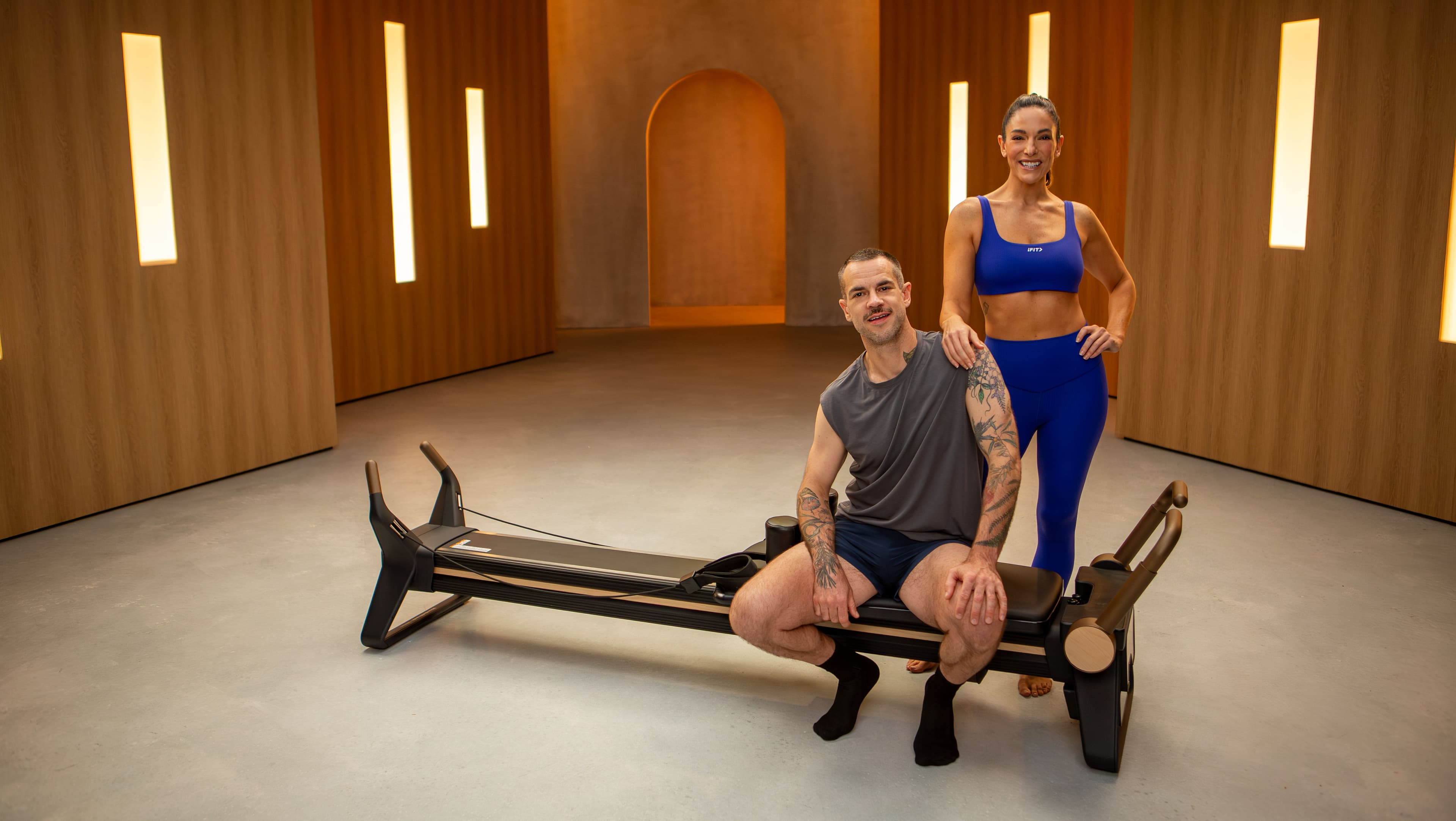
The iFIT Pilates Instructors Who Will Actually Change Your Practice
Meet the nine iFIT Pilates instructors and find the one whose approach fits where you are in your practice right now.
June 29, 2026
Read More

Series Feature: Road to Recovery Part 5: Guatemala
Get transformed in paradise with iFIT Trainer Tommy Rivs in the latest installment of his Road to Recovery Series, this time in Guatemala! In Road to Recovery Part 5: Guatemala, Rivs takes you through 20 invigorating walks, introducing gentle inclines and declines. Each walk is under 35 minutes, making it perfect for anyone, regardless of fitness level. Whether you’re stepping back into fitness, overcoming an injury, or building your running foundation, these workouts are designed with you in mind. Experience Guatemala’s breathtaking vistas, from serene lakes to majestic mountains, while Tommy teaches the art of rebuilding fitness with grace and mindfulness. Read about the special bond between Rivs and Ick, a stray dog turned unexpected workout partner, while filming Road to Recovery Part 5: Guatemala. Join Road to Recovery Part 5: Guatemala Road to Recovery Part 5: Guatemala About the workouts Rivs guides you on 20 revitalizing walks featuring gentle inclines and declines tailored for all fitness levels. Each walk lasts under 35 minutes, so whether you’re returning to fitness, recovering from an injury, or laying the groundwork for your running journey, these workouts are thoughtfully crafted for your personal progression. About Guatemala Explore Guatemala’s rich tapestry: a land where ancient Mayan ruins, vibrant indigenous cultures, lush rainforests, and towering volcanoes converge. Dive into its history and marvel at the colorful textiles in bustling markets. Workout highlights Beginner workouts20 workoutsAverage workout duration: Under 35 minutesAvailable on treadmills and ellipticals Join Road to Recovery Part 5: Guatemala Road to Recovery Collection Here’s your chance to experience the complete Road to Recovery adventure with the Road to Recovery Collection! Join Rivs on Parts 1, 2, 3, 4, and 5 from Mexico to Mallorca, Menorca, Italy, Australia, and (of course) Guatemala. Find what moves you and feel inspired with motivating walking workouts and Tommy alongside you in these breathtaking locales. Disclaimer: Opinions of iFIT Trainers are not necessarily the opinions of iFIT. This blog post is not intended to replace the advice of a medical professional. The above information should not be used to diagnose, treat, or prevent any disease or medical condition. Please consult your doctor before making any changes to your diet, sleep methods, daily activity, or fitness routine. iFIT assumes no responsibility for any personal injury or damage sustained by any recommendations, opinions, or advice given in this article. Always follow the safety precautions included in the owner’s manual of your fitness equipment.
April 15, 2024
Read More
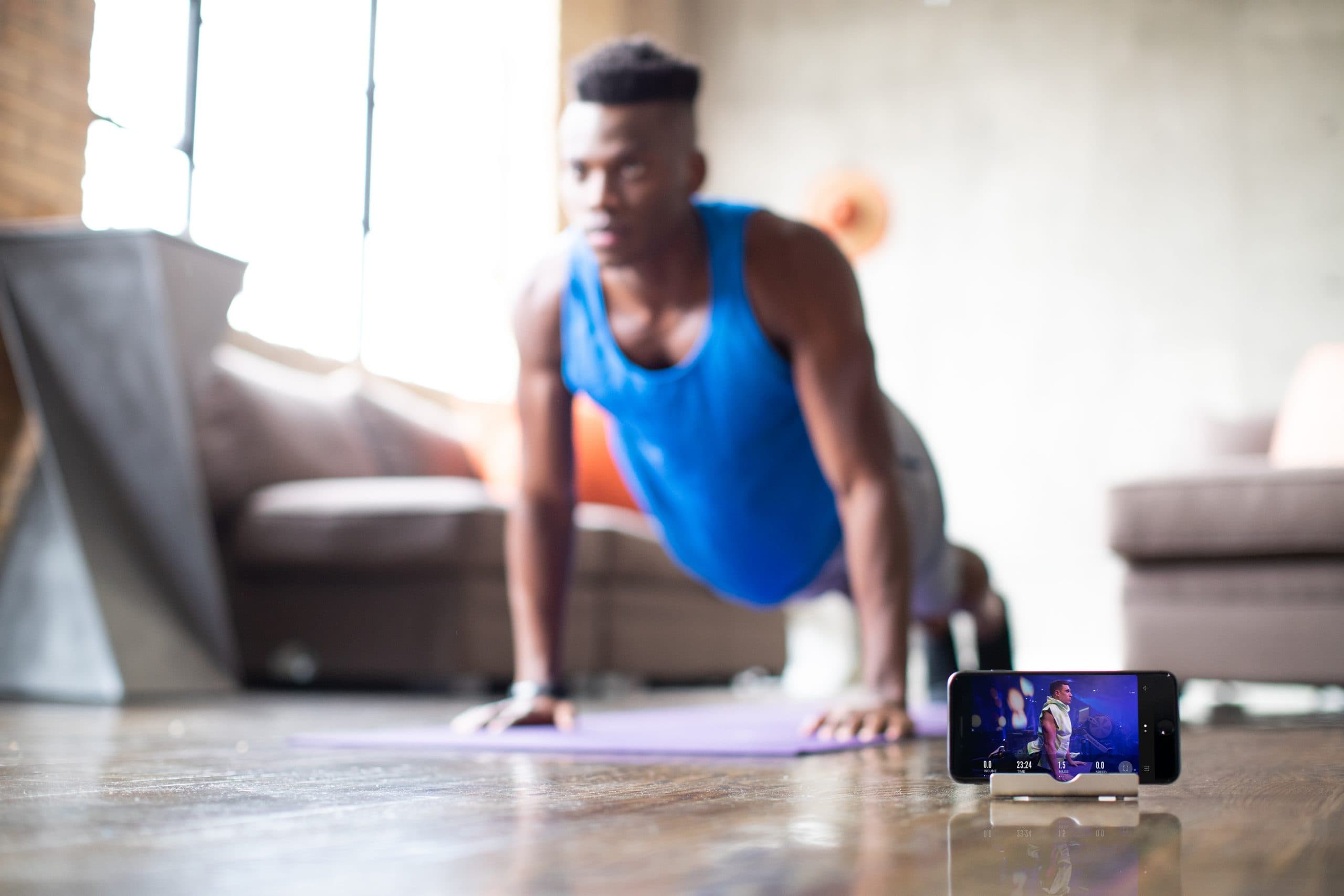
Getting Started Off Your Equipment
The iFIT app offers a variety of workout series for every piece of equipment: skiing in Colorado on the elliptical, hiking or running in Hawaii on the treadmill, cycling in Turkey on the bike, rowing across the English Channel, and much more. For those seeking an equipment-free workout experience, there are several activities that can be accomplished without iFIT-enabled equipment! Best of all, these workouts give you the freedom to venture elsewhere, whether that's across the world or into a different room. Here's how to get started off of your equipment with the iFIT app: Strength training If you want to tone your body or build some strength, then you can focus on high-intensity interval training (HIIT) or strength circuits that can be divided between upper-body, lower-body, full-body, or core workouts—depending on your interests and goals. You'll learn the fundamentals of lifting while getting in a good burn. If you’d like to give it a try, bring your mat and dumbbells and follow iFIT Trainer Kelsey Sheahan in her Foundations of Strength Training Series! Yoga and active recovery Taking days to recover is crucial to preventing injury and keeping your body healthy. There are many series on the iFIT app that teach you how to stretch and mobilize certain muscle groups and also enhance your flexibility and mind. Try dedicating 5–10 minutes to recover with stretches after running or strength training. You can try out the Mindful Stretching Series with iFIT Trainer Nicole Meline. You can also spend recovery days in Asia with iFIT Trainer Briohny Smyth in her Thailand Yoga & Strength Series. Audio Workouts These listening-only workouts allow you to focus on your surroundings instead of the screen. With a mix between endurance runs and intervals, mindful workouts, and strength training, there are endless options for you to get your activity in throughout the day. Try the Intro to Endurance Jogging Outdoor Series through the city with iFIT Trainer Casey Gilbert or meditate on a summit with iFIT Guide Kevin Courtney in his Strengthen the Mind Meditation Outdoor Series. Mindfulness and mental health Strengthening your mind is just as important as strengthening your body. The iFIT app offers a variety of mindful workouts, such as meditation and mental training. You can learn about topics like finding happiness, overcoming personal challenges, and how to get better sleep. Practicing mindfulness has been shown to offer several health benefits that can have a long-lasting, positive impact on your life. If you haven't already, zen out with iFIT Trainer Nicole Meline in her Montana Meditation Series. At iFIT, improving your health and wellness is our goal, so we’re always releasing new workout series for you to try—both on and off your equipment! Disclaimer: This blog post is not intended to replace the advice of a medical professional. The above information should not be used to diagnose, treat, or prevent any disease or medical condition. Please consult your doctor before making any changes to your diet, sleep methods, daily activity, or fitness routine. iFIT assumes no responsibility for any personal injury or damage sustained by any recommendations, opinions, or advice given in this article. Always follow the safety precautions included in the owner’s manual of your fitness equipment.
December 16, 2020
Read More
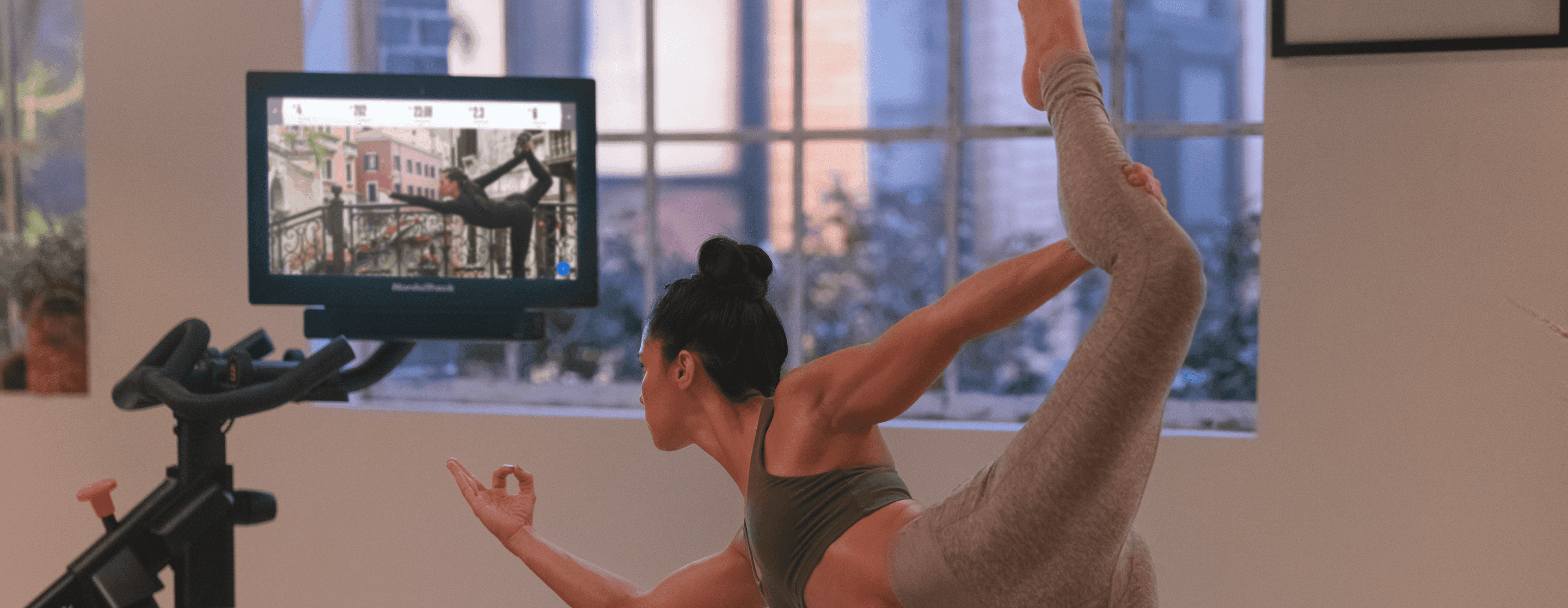
The Benefits of Practicing Mindfulness During Your Workouts
Fitness enthusiasts focus on bettering themselves by staying active, whether that is running to lose weight, lifting to build muscle strength, conditioning to advance athletic skills, etc. Another great way to stay active is by practicing mindfulness. This includes activities such as yoga, meditation, and stretching. With full-time work schedules, workout routines, social lives, and all other responsibilities, the average person only really gets to relax for about 43 minutes a day. By being able to incorporate mindful activities into your workout routine, not only will you improve your physical health and abilities, but you will also see an improvement in your psychological health. According to the American Institute of Stress, 77 percent of people suffer from physical health issues, and 73 percent suffer from mental health issues, due to stress. Physical problems, such as headaches, high blood pressure, and muscle tension or pain can stem from stress and decrease your desire to exercise. In addition, high levels of stress can lead to anxiety and depression. By making time for active recovery, both your body and mind will be significantly healthier. To start becoming more mindful, join iFit’s Mindfulness & Self-Compassion Series with iFit Guide Dr. Shauna Shapiro, who will provide tips on how to sleep better, manage stress, and stay positive! Practicing meditation is the best way to calm the mind and bring your awareness fully into the present. Try iFit’s audio Strengthen the Mind Meditation Series with iFit Guide Kevin Courtney for more tips on how to start. Meditation can reduce feelings of negativity, like anger and sadness. As a fitness advocate, you can also benefit from an improvement in focus and an increase in motivation! You can start with as little as one minute of practice daily, and the long-term benefits make it worthwhile. Having a healthier mindset will boost your immune system, increase your pain tolerance, and decrease your chances of developing cardiovascular disease. You can also participate in physical activity during meditation when doing yoga. Yoga is a combination of physical postures, breathing control, and mindful-based meditation. The practice not only brings your mind into full consciousness, which can decrease mental health issues, like panic disorder, it also improves flexibility and mobility, enhances strength, and betters heart and lung function. The constant stretching allows your body to become more elastic, which can decrease your overall pain level. You can practice yoga in places such as the studio, your backyard, at the summit of a mountain, or even at the beach! To start your yoga journey, try iFit’s Heartward Yoga Series to get started! Yoga is an active way to stretch out your muscles, which is important to do after any workout. Taking time to stretch reduces your risk of injury, as well as improving your performance and the range of motion of your joints. You know you have a solid lower-body workout when you can barely walk afterward, but it is crucial to spend 5 to 10 minutes to stretch and relieve your sore muscles. To improve your mind, body, and soul, participate in iFit’s September Challenge, which includes a mix of audio workouts to get you started on your journey to mindfulness!
September 9, 2020
Read More

Join the September Challenge!
The September Challenge is here! We’re changing things up a little this month, and we’re excited for you to get in on the action. This month is all about our audio workouts! We’re challenging you to complete one of five audio series in the iFit app. You'll have from September 8–30 to choose your audio series and conquer this challenge! Choose from the following series: Heartward Yoga Series with Nicole Meline Intro to Endurance Jogging Outdoor Series with Phil Catudal Power Walking Interval Outdoor Series with Nicky Holender Outdoor HIIT Strength Series with Kelsey Sheahan Strengthen The Mind Meditation Series with Kevin Courtney Simply choose the series that interests you the most, then complete all SIX workouts to receive your magnet in the mail! If you want, you can participate in all five series, but you’ll only receive a reward for completing one of them. Grab your headphones and make sure you’ve downloaded the iFit app to your phone, then log in to your iFit account. Remember, you can complete these workouts outside, at home, or on your equipment (you’ll just need to adjust your machine's settings manually). Our trainers will give you audio cues every step of the way. You've got this!
September 8, 2020
Read More

iFIT Trainer John Peel's Recovery Routine
If you've done iFit Trainer John Peel's workouts, you know he loves to push his (and your) physical limits, but he also values and respects the importance of recovery days. Recovery is an essential part of training.For most fitness enthusiasts, the mindset around exercise is that pushing the limits helps us reach our fitness goals. Whether it's to shed minutes on your race time, build muscle, or increase overall endurance, we often think that more is better. However, science tells us that without proper recovery time, we can actually expect to see sub-par results. In basic weight training, we learn that when you lift weights, you tear your muscle fibers. When the muscle fibers repair themselves, the muscle gets bigger and more defined. Without adequate rest, your immune system is unable to repair the muscle, and you won't see the results you are working so hard to achieve.If the idea of sitting on your couch and binge-watching Netflix is unappealing, don't worry—taking it easy doesn't mean doing nothing. A recovery day can incorporate some self-myofascial release, a yoga class, stretching at home, a sauna or jacuzzi visit, or even a brisk walk.If you take the time to let your body recover, you can expect to see improved performance, feel better physically and mentally, and actually enjoy your workouts instead of struggling through them. Here are some of John Peel's favorite ways to recover. Sleep As John mentions, adequate sleep is essential for optimal performance. Sleep deprivation can increase the levels of cortisol, a stress hormone that, at elevated levels, can cause anxiety, depression, digestive problems, heart disease, weight gain, and concentration impairment—all counterproductive to the health benefits that exercise should provide.Additionally, studies suggest that sleep deprivation may also decrease the production of glycogen and carbohydrates, which are energy sources for physical activity. If you have decreased amounts of this stored energy, your workouts will be harder and less impactful. Make sure you get a solid eight hours of sleep for optimal focus, performance, and results during your workouts. Self-myofascial release (foam rolling) Foam rolling, also known as self-myofascial release (SMR), should be an essential component of your recovery routine.Fascia is the body’s outermost layer of muscles. SMR is a technique that specifically targets the fascial systems that have been negatively impacted through repetitive motions, poor posture, and improper exercise techniques. This cycle starts out with inflammation, which then leads to the development of soft tissue adhesions—those pesky knots or trigger points that are both uncomfortable and limit your range of motion.Benefits include: Improved range of motionDecreased effects of stress on the human movement systemCorrected muscle imbalancesIncreased blood flow to help overall recoveryReduced soreness For specific moves that you can incorporate into your daily recovery routine, check out our blog post on SMR. Hydration According to The American Heart Association, proper hydration makes it easier for your body to pump blood through your blood vessels to your muscles. Drinking adequate amounts of water will allow your muscles to work more efficiently, which will, in turn, improve your physical performance.The amount of water your body needs depends on climate, exercise intensity and duration, along with various other factors. A good rule of thumb when determining whether you are adequately hydrated is to check the color of your urine. Clear to pale in color means you are well hydrated. If it's dark yellow or amber, go chug some water.Make sure you stay on top of your water drinking game. If you are experiencing feelings of thirst, it means you are already dehydrated! Buy yourself a fun, reusable water bottle to keep with you at all times. Having it by your side will serve as a reminder to drink regularly. Plus, by using a reusable water bottle, you'll be helping the environment and reducing plastic waste!Taking care of your physical health goes beyond exercise and nutrition. To reach optimal health, proper hydration, adequate sleep, mental health care, and adequate recovery time are imperative. After you do an intense John Peel workout program, consider incorporating his three tips for recovery into your post-workout routine—your body will thank you!
May 1, 2020
Read More

iFIT Trainer Highlight: Idalis Velazquez
Originally from Puerto Rico, Miami-based trainer Idalis Velazquez later relocated to the U.S. to attend Florida Atlantic University. This is where she competed in Division I track-and-field, setting a school record for the indoor long jump. With an extensive background in sports and physical fitness, Idalis is now a top expert in weight loss training and total-body fitness. She’s also a devoted wife and proud mother of two daughters. While she offers a diverse set of training skills, her specialty is fast, functional, and efficient workouts. She believes in using foundational movements, designing each of her workouts with timesaving precision and a specific purpose in mind. The most important thing you can do is listen to your own body—you know best.Idalis Velazquez Be sure to try the Inca Interval Series with Idalis!
April 24, 2020
Read More
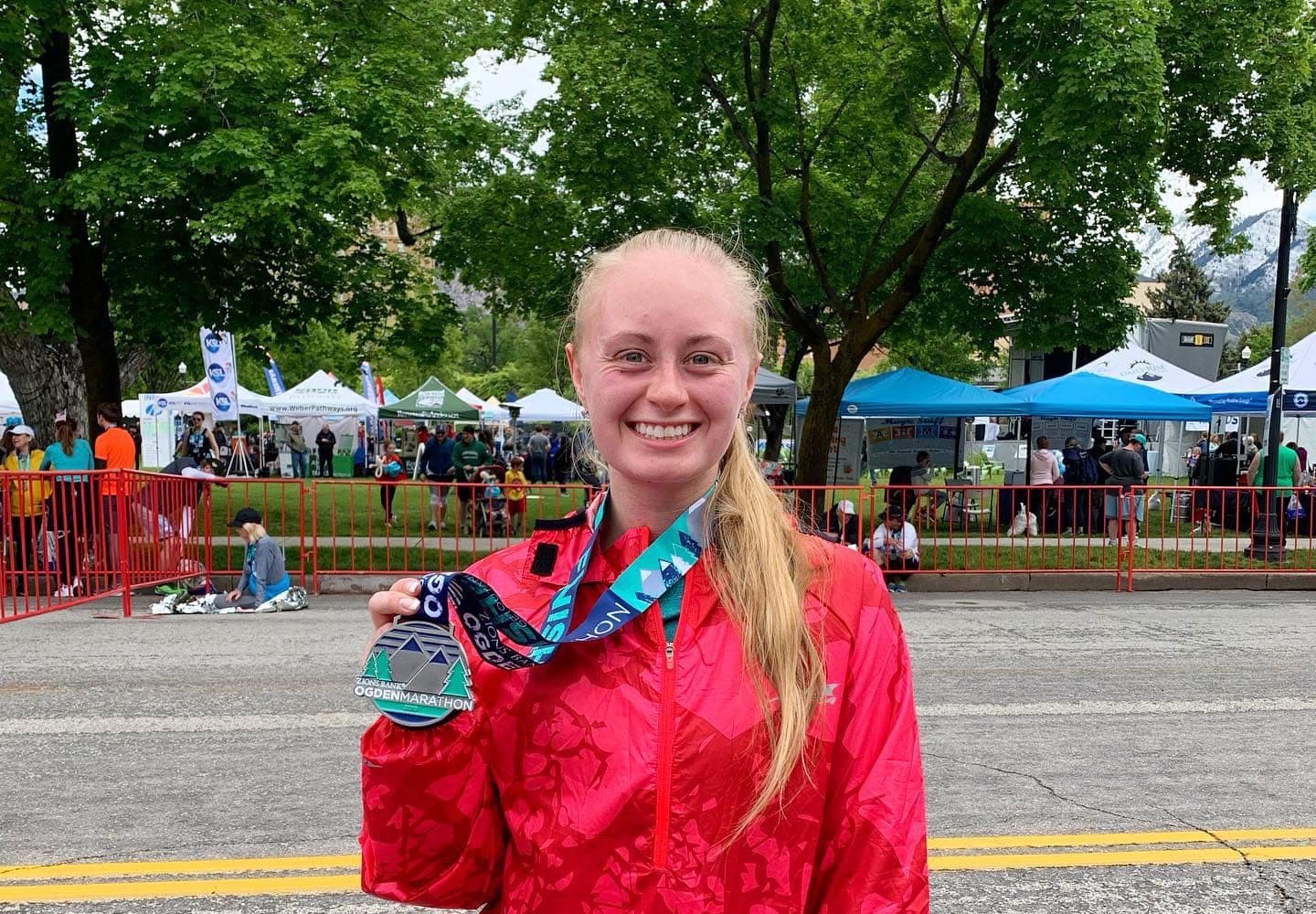
6 Ways to Rock Your Post-Marathon Recovery
Hooray! You ran through the finisher’s chute, received your medal, and took photos! Why? Because you just completed something incredible—you ran a marathon! All those weeks and months of hard training paid off. However, your marathon journey isn’t over yet. Running a marathon takes a heavy toll on your body, and the steps you take toward recovering will dramatically impact how fast you can hit the pavement again. Keep in mind, every person is different, and there are a lot of unique aspects to recovery. But these tips and tricks should at least get you started! Here are my top 6 marathon recovery tips: 1. Cool down. A common mistake people make at the end of a marathon is sitting down right after they finish. Don’t do this! Once your body has carried you 26.2 miles, it’s crucial that you take time for a proper cooldown, instead of planting yourself on the ground. Cooldowns help slow your heart rate down and flush the lactic acid out of your muscles. Just take a walk for 10–15 minutes after you finish, and you’ll be golden. 2. Hydrate. Drink plenty of water after the race to replenish what you lost from sweating. If you remember to weigh yourself before and after the race, then you should drink 20–24 fluid ounces for every pound lost. Another good rule of thumb is to pay attention to the color of your urine. It should always be pale yellow if you’re properly hydrated. 3. Recover with myofascial release. One of the best ways to recover your muscles is myofascial release. You can use a foam roller, rolling stick, recovery boots, or even get a massage 24–48 hours after your race. By using one of these recovery techniques, you’ll drastically reduce your risk of injury, increase blood flow, and reduce muscle soreness. 4. Get enough sleep. Proper sleep is a huge recovery factor that’s often overlooked. After running a marathon, your body will be tired and worn down. It might be tempting to jump back into your busy, day-to-day schedule, but without getting enough proper sleep each night, your body and mood will take a huge hit. So give your body the time it needs to rest and rebuild by getting at least eight hours of sleep at night. Trust me—your body, mind, and loved ones will thank you! 5. Refuel. There’s a common thought that if you burn a few thousand calories from running, you should “reward yourself” by eating anything you want. Of course, I’m a huge fan of celebrating your accomplishments, but moderation is always key, especially if you want a speedy and successful recovery. After your race, make sure to refuel with carbohydrates and protein. This will reduce tissue damage, muscle soreness, and replenish your muscle fuel. My favorite is Greek yogurt with granola and a banana! 6. Take it slow. One of the most common ways people get injured is jumping back into training too soon after a race. Running a marathon is no joke. Regardless of your fitness level, it’s crucial that you slowly ease back into things. Focus on daily stretching, hydrating, and getting enough sleep the week after your race. Below is a glimpse into what my training looks like post-marathon, if you’d like something to reference! Building your mileage back up is a process. Every person is different, so the time it takes to recover varies with everyone. Do your best to listen to your body, and remember...if it hurts, don’t do it!Share your marathon recovery tips with us at #iFit on Instagram or Facebook. Good luck on your next race, and don’t forget to enjoy every moment of it!
October 15, 2019
Read More
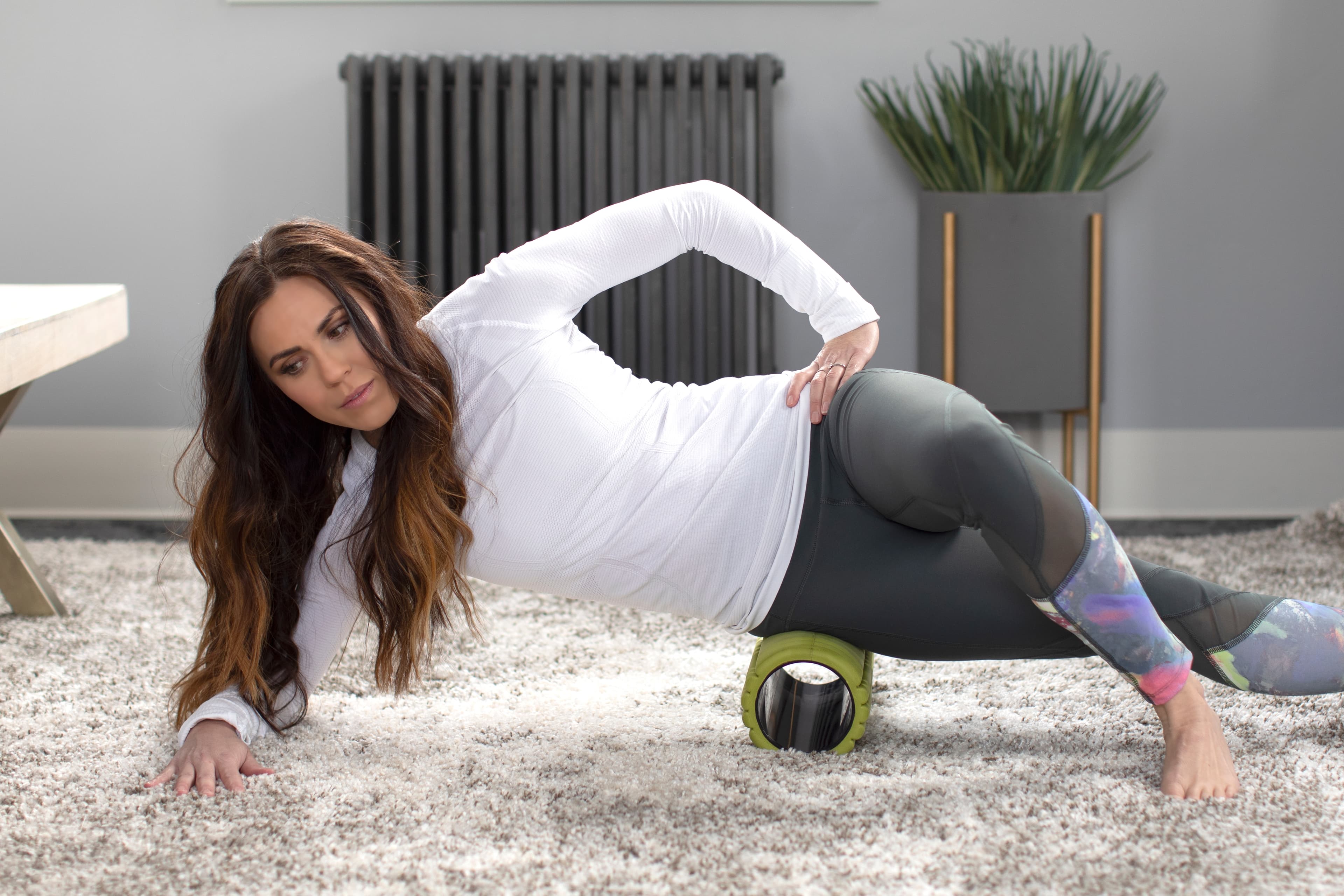
Self-Myofascial Release (Foam Rolling)
SMR, also known as foam rolling, is a technique specifically targeting these fascial systems that have been negatively impacted through repetitive motions, poor posture, and improper exercise techniques. This cycle starts out with inflammation which then leads to the development of soft tissue adhesions “knots or trigger points” and therefore, limiting range of motion. Benefits of SMR. Helps to improve range of motion Decreases effects of stress on the human movement system Aids in correcting muscle imbalances Increases blood flow to aid in overall recovery Reduces soreness When should it be done? SMR should be done before any type of static or dynamic stretching. When done first, the SMR helps the muscle tissue to lengthen while you engage in the other stretching afterward. Ideally, you should be foam rolling every single day. How to do it correctly. Relax your body while slowly rolling along the muscle you are targeting. It is important to keep the muscle relaxed. Once you hit a “trigger point” or area that is sore, stop rolling and remain on that point for 30–90 seconds. You will then feel the “trigger point” release, thus successfully completing self-myofascial release for that specific area. Some muscles will have muscle trigger points, so take your time and do not rush. After successfully doing SMR, you will notice that the number of trigger points you have is decreasing and it will start to become less uncomfortable. Tip #1: Maintain core activation while foam rolling. This will aid in the activation of the correct muscles and help you keep the correct posture. Tip #2: Avoid rolling over any joints or bones. This can lead to injury. Tip #3: Some muscles may require that you use more or less pressure while rolling. Listen to your body and adjust pressure accordingly. Calves (gastrocnemius and soleus) Start by sitting on your glutes. Place the foam roller under your calves. Use your hands to assist as you gradually elevate your body while activating your core. Slowly roll across your calves, targeting any “trigger points” you may find. Cross one leg over the other to increase pressure if needed. Hamstrings Start by sitting on your glutes. Place the foam roller directly under your extended leg where your hamstrings meet your glutes, with the other leg bent to a 90-degree angle. Use your hands to assist as you gradually elevate your body while activating your core. Start by slowly rolling backward. Finish rolling directly above the back of your knee. Quadriceps Start by laying down on your stomach. Place the foam roller under your leg, starting below your hip joint. Press your body up on your forearms while activating your core. Slowly roll your body forward until you finish directly above the knee. IT Band Lay on your side, place the foam roller on the outer thigh/IT band while supporting your body weight with your arms and legs. Starting at the base of your outer leg, by your hip, slowly roll back and forth along the length of the outer leg. Glutes Place foam roller below the glutes (essentially, sit on the foam roller). Using your arms to support your body, slowly roll back and forth along the glutes. Keep in mind that your glutes may need extra attention, as they are a key muscle group for mobility, stability, and posture. Latissimus Dorsi (lats) Start by lying on your side with your arm extended. Place the foam roller perpendicular to your body under your armpit. Slowly roll back and forth along the side of your torso until you find a tender spot. This may take some practice or feel a little awkward at first but will help loosen up those muscles that are often difficult to target. Thoracic Spine (upper back) Place the foam roller under your mid-back while laying on the ground. Next, lift your glutes off the ground in a half bridging position by engaging your core and pulling your belly button to your spine. Put your hands behind your ears, with your elbows facing out. The goal is to have your chest open up. Slowly roll along your thoracic spine (upper back), stopping at each trigger point you may find. There you have it! SMF (foam rolling) is a great tool to use not only as recovery after a workout but should be added as part of your everyday routine. Keep rolling!
February 28, 2019
Read More